




An unfinished basement featuring a grey forced-air furnace with metal ductwork, concrete block walls, exposed wooden joists, and a single hanging bare bulb.

Furnace Repair in Warwick, RI

Tell us about the job

Takes about a minute. No obligation.

RepairFurnace or heatingKent County, RI
Step 1 of 2

What ZIP code is the job in?

Furnaces in Warwick run about eight months a year, October through May. That's most of the year spent heating against overnight lows that average 23°F through December, January and February. A furnace running that long, that hard, wears parts sooner than one that gets a few months off. The igniter cycles more, the blower motor logs more hours, and whatever was already marginal tends to give out right when you need it most. If yours is acting up, that's likely why. Get it looked at properly so whatever's fixed actually holds through the rest of the winter.

8 months
October through May, your furnace is on duty
23°F
the average winter night it heats against
50%
of homes here heat with gas, so most furnaces here burn gas
50 winter storms
in ten years, the nights a failure hurts most
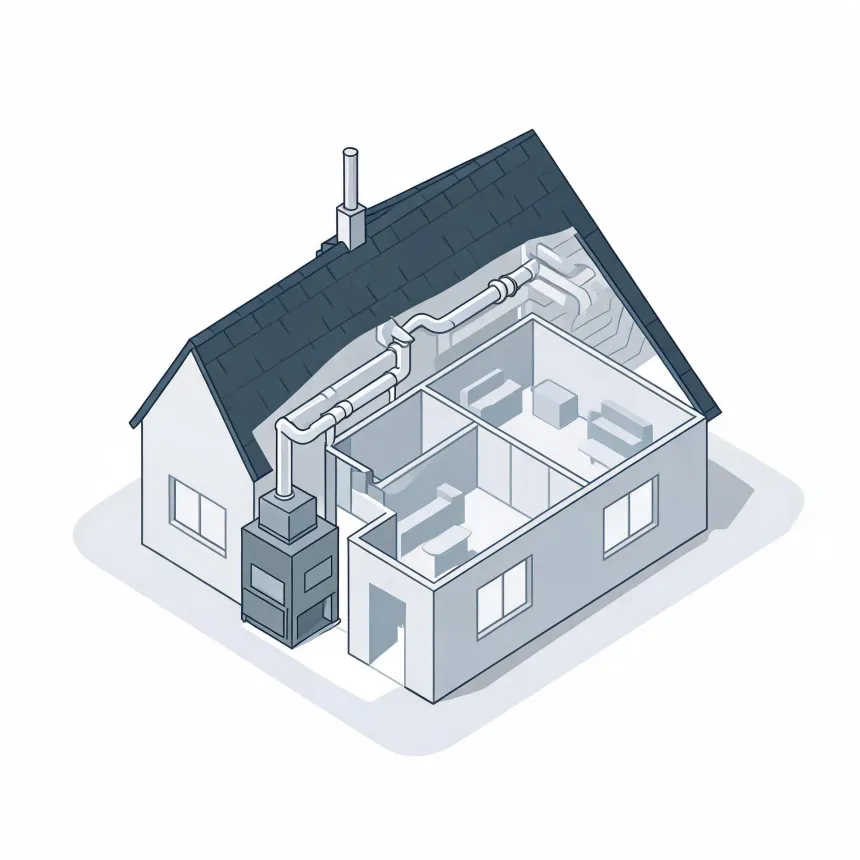
Isometric line illustration of a cutaway single-story house with a dark shingled roof, showing interior rooms and ductwork connected to a gray furnace unit with a flue pipe.
Your furnace works hardest from November through March.

NOAA nClimDiv, 1991–2020 normals

Half the homes in Kent County were built in 1967 or earlier.

A furnace that's been in the house since then is worth asking about before you pay for a big repair.

October is when last year's weak part fails

Heat runs October through May
Climate zone 5A
Winter nights average 23°F

Most furnace trouble in Warwick is nothing unusual. An igniter fails, a flame sensor reads dirty, a blower motor starts to go. These are the same problems a contractor sees everywhere furnaces run through a real winter. Nothing about Warwick's weather or its homes makes a furnace fail in some stranger way or breaks it beyond fixing. Natural gas here cost $21.08 per million Btu in 2024, so running the furnace isn't free, but that's a cost of heating, not a sign something's wrong with the unit. Most of the time the fix is the ordinary one, and the furnace runs the rest of the season fine.

Get it fixed right, before the rest of winter leans on it

A furnace that's struggling now isn't likely to get easier on itself between now and May. Have it diagnosed so the actual problem gets fixed, not just patched, and it holds through the rest of the season.

Find a contractor
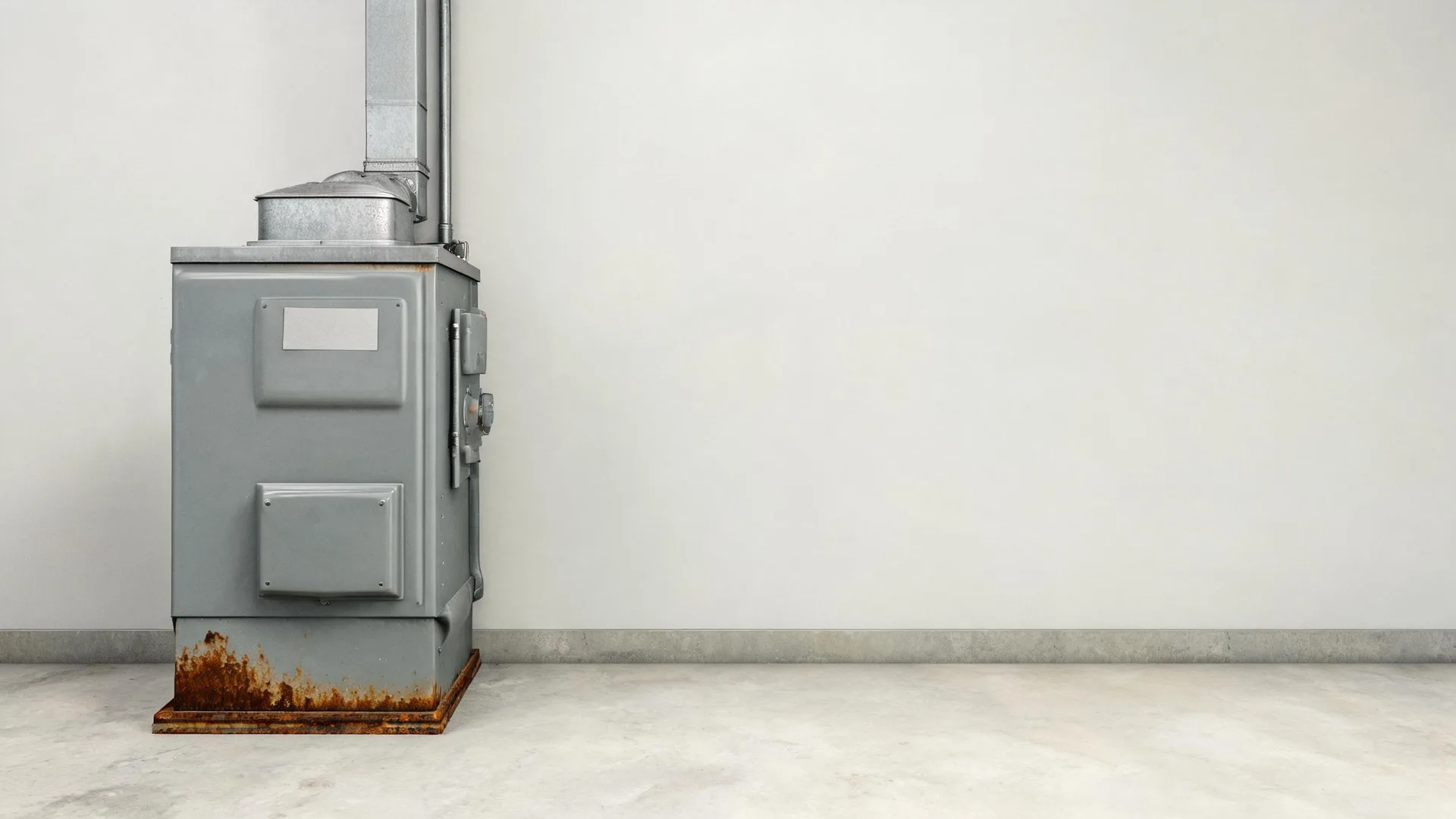
A gray residential gas furnace installed in an unfinished basement, surrounded by ductwork, a metal flue pipe, and a gas supply line.

Worth a straight answer before you pay

If the furnace is original to the house, ask the contractor straight out how much life is left in it before you pay for the repair. A unit that old may be worth replacing instead of patching again. If it's newer, this is just the repair it needs.

What you actually notice first

Furnace trouble rarely starts with a total no-heat call. It starts smaller. The furnace runs longer than it used to before the room feels warm. It short-cycles, kicking on and off every few minutes instead of running a full stretch. The air coming out of the vents feels cooler than it should. Sometimes it's a sound, a scrape from the blower wheel, a new rattle, a clicking igniter that won't catch. Any of these means something is already wearing out, before it quits outright.

Why acting on it early matters

A furnace that's struggling doesn't fix itself by running more. A dirty flame sensor causing short cycles will keep causing them, and each cycle puts more wear on the igniter and the blower motor. A part that's marginal now is a part that fails outright later, usually on the night it's working hardest. Catching it while it's just acting strange, rather than waiting for it to stop entirely, is usually the difference between an ordinary repair and an emergency one.

An unfinished basement containing a metal furnace with ductwork, exposed wooden joists on the ceiling, cardboard boxes, a coiled cable, and a single hanging incandescent bulb.

A new furnace would cut about $270 a year off heating for a typical Kent County home.

  • A new high-efficiency furnace$1,080 a year
  • An older furnace$1,350 a year

Estimates for a typical Kent County home, compared with an older unit built to the previous federal minimum, from EIA household energy data, Rhode Island fuel prices and NOAA climate normals. Your home will differ.

Repair makes sense when one part has failed and the heat exchanger is sound.

Replacement makes sense when the heat exchanger is cracked or the furnace keeps needing parts.

A repair is worth making when the furnace is basically sound and one part has worn out or failed on its own. An igniter, a flame sensor, a blower motor, a draft inducer, these fail one at a time, and swapping the one that's gone usually brings the furnace back to normal. Replacement starts to make more sense when the failures stack up, one part fixed and then another not long after, because that pattern usually means the whole furnace is aging out, not just the part in front of you. The heat exchanger matters most. It's the part that cracks instead of just wearing down, and a cracked one isn't a repair, it's a reason to replace the furnace outright. Age alone doesn't decide it, but a furnace near the end of its expected life is a different conversation than a newer unit with a bad sensor, even when the symptom looks the same from the thermostat.