
Furnace Repair in Rhode Island
Homes in Rhode Island are older than in 48 of the other 49 states.
Tell us about the job
Takes about a minute. No obligation.
- 23°Fwinter overnight low where people live
- 8 monthsof heat, October through May
- $21.08 per million Btuwhat homes paid for natural gas in 2024 (Btu means British thermal units, a measure of heat)
- 164winter storms from 2015 to 2024
Rhode Island winters are ordinary wear Eight months of heat, October through May
- Winter nights average 23°F where people live
- Heat runs October through May
- 164 winter storms from 2015 to 2024
- Climate zone 5A across the state
- 12% of homes lost power a day or more in 2024

- Short cycling gets traced to a flame sensor, limit switch or airflow problem, not just reset and left alone
- A pilot or igniter that won't hold gets fixed so the burners light every time, not just sometimes
- Banging or screeching from the cabinet gets tracked to its source instead of being ignored
- If warm air never gets hot enough, the gas valve, burners and ductwork get checked to find out why
- A tech's word that the heat exchanger isn't cracked is what makes a furnace safe to keep running
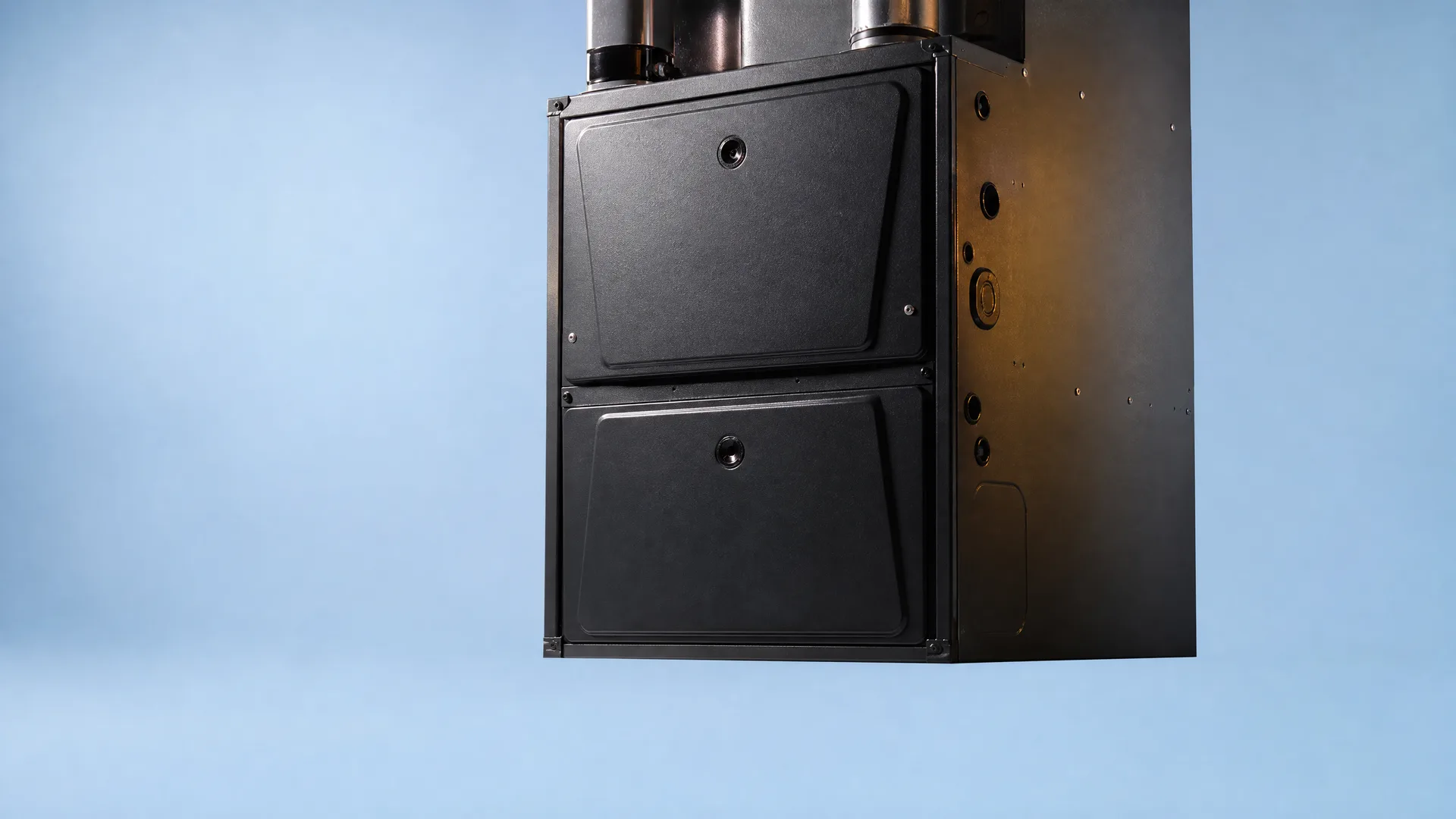
Most no-heat calls come down to the igniter or the flame sensor. The igniter has to glow hot enough to light the gas, and it weakens a little every time it cycles until one day it doesn't get there. The flame sensor has a different job. It tells the control board a flame is actually burning, and once it's coated with a thin film it can't do that anymore, so the board shuts the gas off as a safety measure even though the furnace is otherwise fine. Both parts are small, both fail from ordinary use, and neither failure means anything else is wrong.
Airflow problems show up as symptoms that look electrical but aren't. A blower wheel caked with dust moves less air, so the heat exchanger runs hotter than it should and the limit switch trips to protect it. A clogged filter does the same thing from a different direction. Dirty burners can cause uneven flame and scorch marks you can see if you pull the panel. None of this is about age by itself. What wears these parts out is restricted air and dirt building up where they shouldn't, and a furnace kept clean and clear tends to hold up better than one that hasn't been.
The first cold snap finds what was already weak
October is when most of these problems introduce themselves. A furnace that sat idle since spring gets asked to run for hours at a stretch, and whatever was already marginal, a weak igniter, a sensor with a film on it, a blower wheel packed with dust, gives out under that first real load. That's why a furnace that ran fine for a few minutes at a time in early fall can start failing outright once the weather turns and it has to run long. Getting it looked at in September, before the load hits, catches a weak part while it's still working instead of after it quits on a cold morning.


2 months of cooling, July through August
8 months of heat, October through May
What does a furnace in Rhode Island face?
How cold do winter nights get?
23°Faverage overnight low where people live
North Dakota4°F
Hawaii65°F
How many months does the heat run?
8 monthsof heating a year
Hawaii0 months
Alaska12 months
What does natural gas cost?
$21.08per million Btu, what homes paid in 2024
Montana$7.77
Hawaii$53.25
How often do storms hit?
190severe weather events per county from 2015 to 2024
Alaska5
Wyoming1,057
How many homes lost power for a day or more?
12%of homes in 2024
Arizona7%
Maine54%
A furnace running wrong costs more here than it should
Natural gas here cost $21.08 per million Btu in 2024, among the higher rates in the country. A furnace with a dirty blower wheel or a fouled flame sensor does not use more gas because it is broken. It runs longer and short cycles trying to reach temperature, and every extra cycle burns gas at that rate. The fix is usually a small part or a thorough cleaning, not a new furnace. Left alone, the same problem just keeps charging you for gas while it waits to fail outright.
What a furnace acting up actually looks like
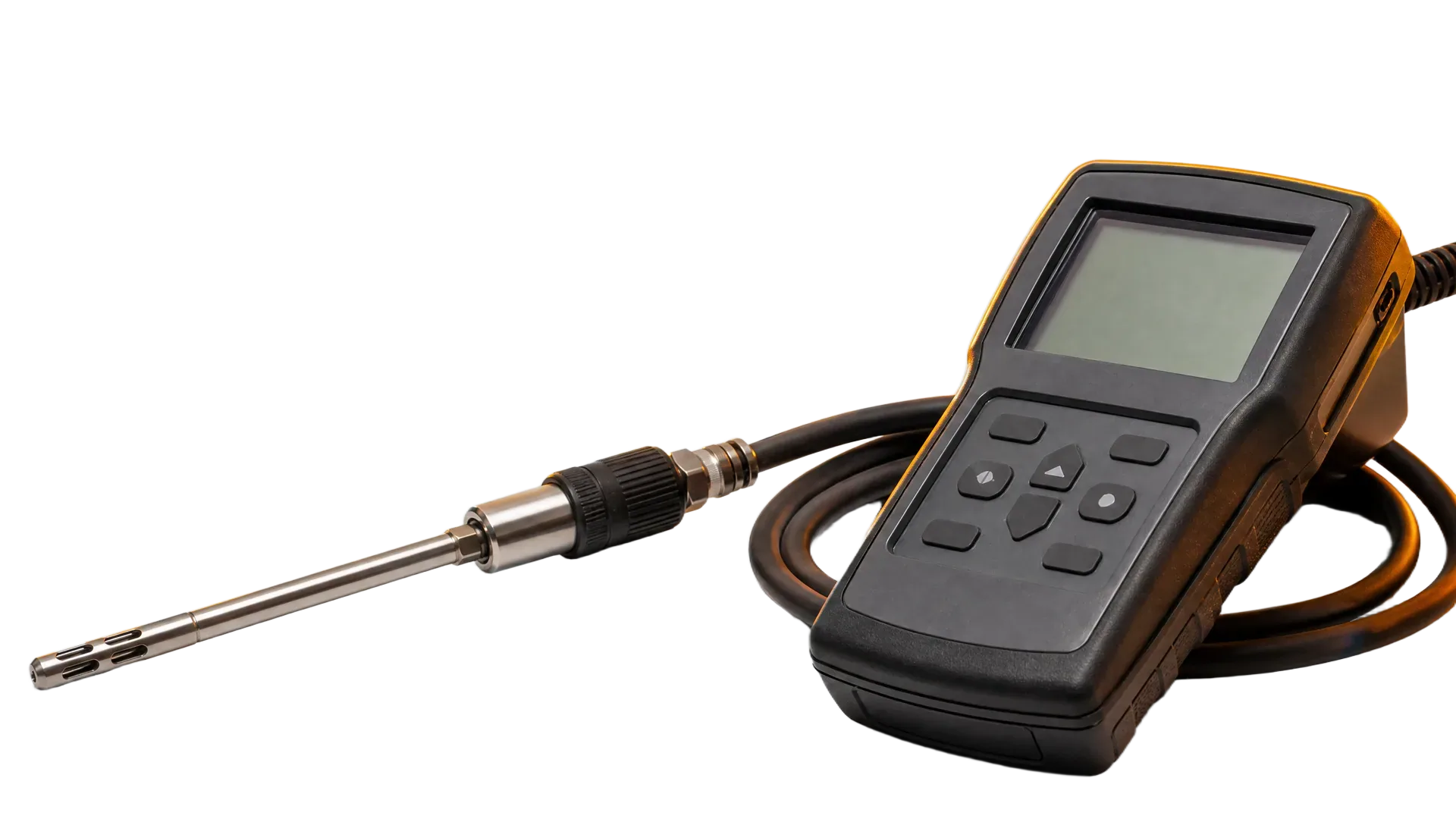
A furnace that needs attention usually gives some warning first. Cold air at the start of a cycle, before it warms up, points to a slow gas valve or a delayed ignition. A furnace that fires, runs for a minute, then shuts itself off is short cycling, and it will keep doing that until whatever's tripping the limit switch gets found. A flame that burns yellow or flickers instead of steady blue means the burners aren't getting the right air mixture, and that's worth a look on its own. Soot near the access panel or a burnt smell when the furnace kicks on shouldn't wait. Rattling that only shows up when the blower runs usually means something loose in the cabinet or a wheel knocking against its housing. None of these signs mean the furnace is done. They mean something specific inside it needs attention, and most of them get worse the longer they sit.
When a part gets fixed and when the furnace gets replaced
A repair makes sense when the problem is one part doing one thing wrong. An igniter, a flame sensor, a limit switch, a blower motor, these fail on their own and get swapped on their own, and the rest of the furnace keeps going like nothing happened. Replacement starts to make more sense when the heat exchanger is the problem. That's the part that separates the flame from the air moving through the house, and once it's cracked the only fix is a new furnace, because a cracked exchanger isn't safe to run and isn't worth patching. Age matters less than what's actually breaking. A furnace that keeps throwing unrelated problems, a control board one season, a motor the next, a cracked exchanger after that, is telling you something different than one that's run clean for years and just lost an igniter. The first pattern is a furnace using up its last good years one part at a time. The second is routine wear on a machine that's otherwise fine. A tech who's opened the cabinet and looked at the exchanger, the board and the burners can tell you which one is in front of them. That's worth more than guessing from the furnace's age alone.
A furnace acting up in a Rhode Island winter isn't something to leave for later.
Tell us about the job
Takes about a minute. No obligation.
Fill out the form and a licensed contractor gets in touch to look at what's wrong.