

When the restart works
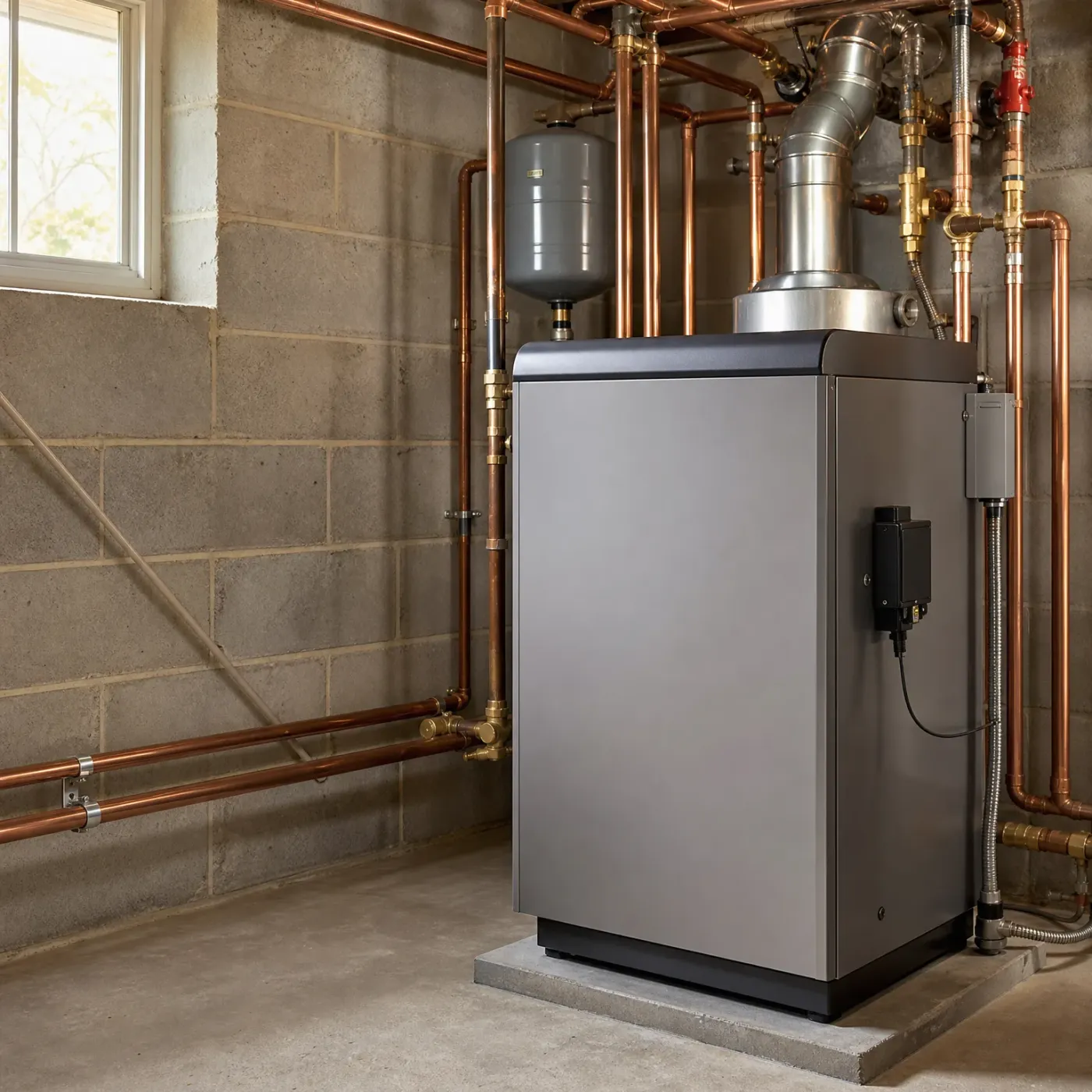
The display lights up, the circulator pump hums, and the burner fires within a minute or two. Pressure holds steady on the gauge. Heat moves through the copper lines and the house starts warming the way it always does.
After the power comes back on, most boilers need to be restarted by hand. Check the pressure gauge first. If it reads below 1 bar, the system lost water pressure and needs to be topped up before anything else will work. Find the reset button, usually red, on the front panel, and hold it for a few seconds. Many boilers also run on an electronic ignition that has to relearn the power is back, so you may need to press reset more than once before the burner catches. If the display shows a fault code instead of a normal reading, or the reset button does nothing after a couple of tries, that usually points to a problem the outage exposed rather than caused, like a failing pressure sensor or ignition module. With gas heat common across Rhode Island homes, a boiler that won't restart on its own means no heat until someone looks at it.




Power comes back on and the boiler's display stays dark.
Check the pressure gauge before touching anything else.
Use the filling loop if pressure sits below 1 bar.
Press the red reset button once and wait.

A boiler that won't restart after an outage means no heat and no hot water until it's fixed, and in a Rhode Island winter that shows up fast. Showers turn cold. Rooms you keep the kids or an older parent in start to feel it by evening. If the reset button clicks but the display stays dark, or it fires and then drops out again a few minutes later, that's not something to keep pressing and hoping. Something else is wrong, and running the pressure up over and over on a system that won't hold it can make the real problem worse.
At that point the choice isn't whether to call someone, it's how much of your evening you want to spend doing it. Finding a boiler contractor in Rhode Island, explaining what happened with the outage and the reset, and getting someone out before the house gets any colder is its own chore on top of everything else. Answer a few questions about your boiler and your address and a contractor who covers your area gets back to you directly, so you're not the one making calls while everyone's bundled up in sweaters.

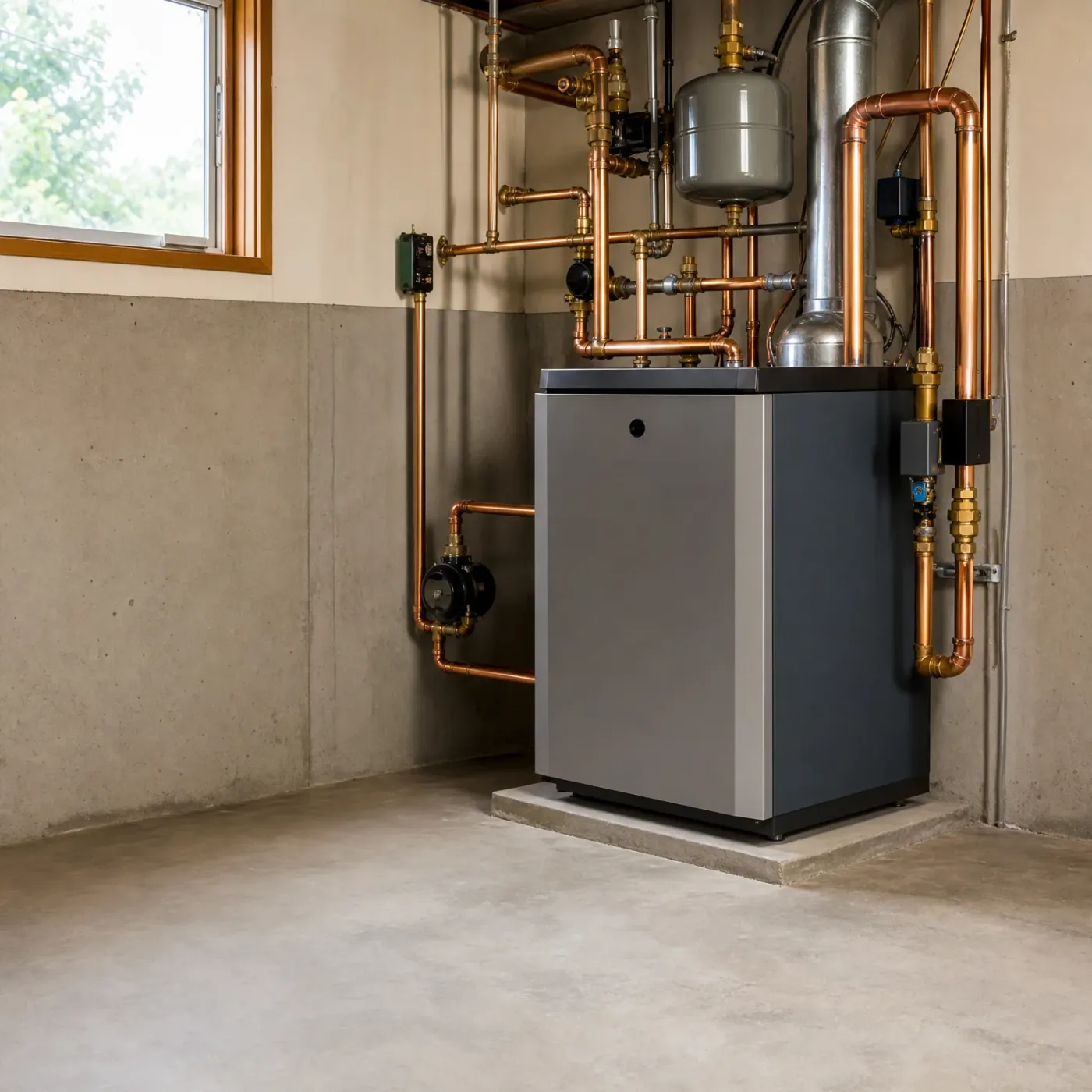
The display lights up, the circulator pump hums, and the burner fires within a minute or two. Pressure holds steady on the gauge. Heat moves through the copper lines and the house starts warming the way it always does.
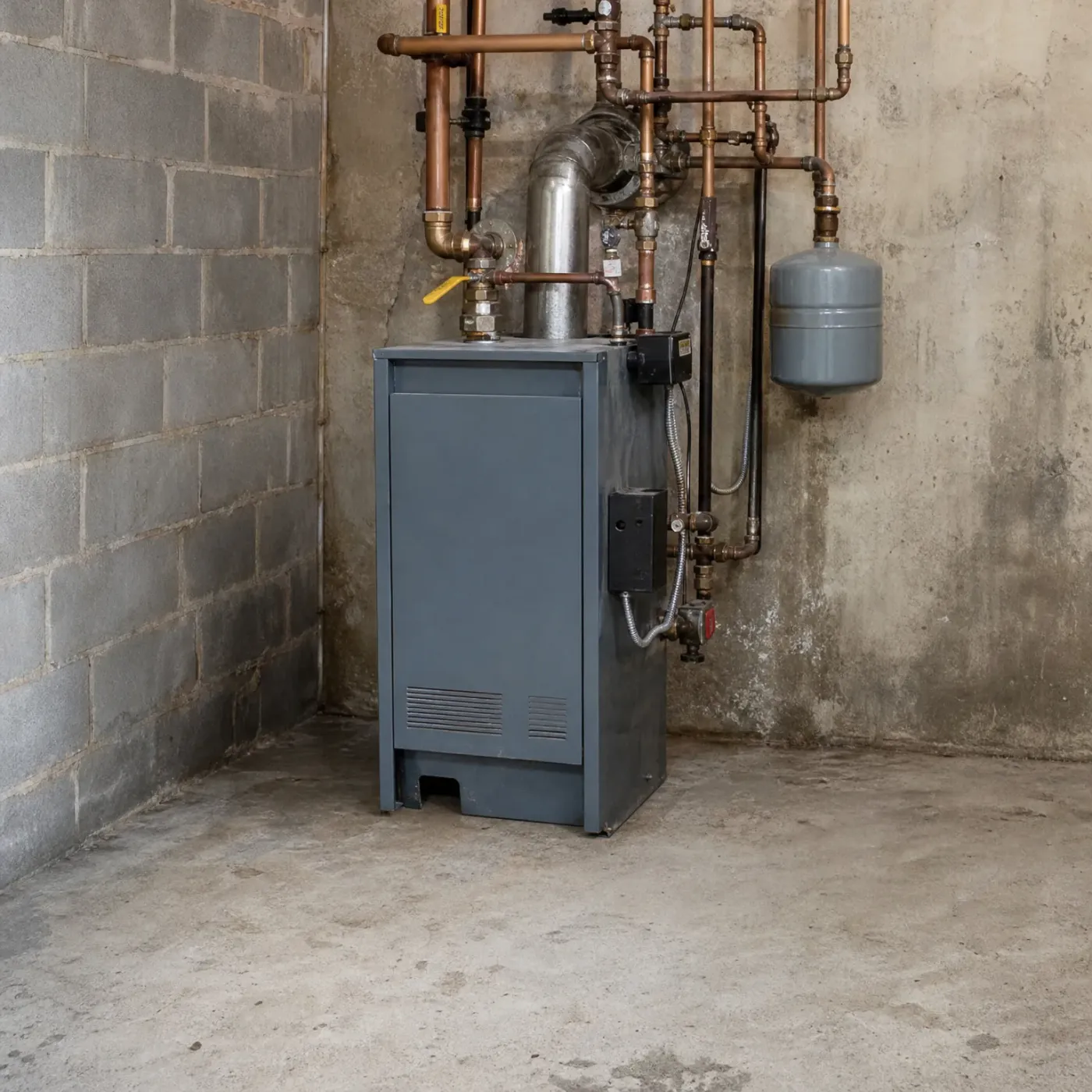
The reset button does nothing, or the boiler fires then cuts out again. Sometimes it's low pressure that a filling loop won't fix because of a leak somewhere in that piping. Sometimes the ignition system itself failed in the outage. Either way, it's a job for a licensed contractor.
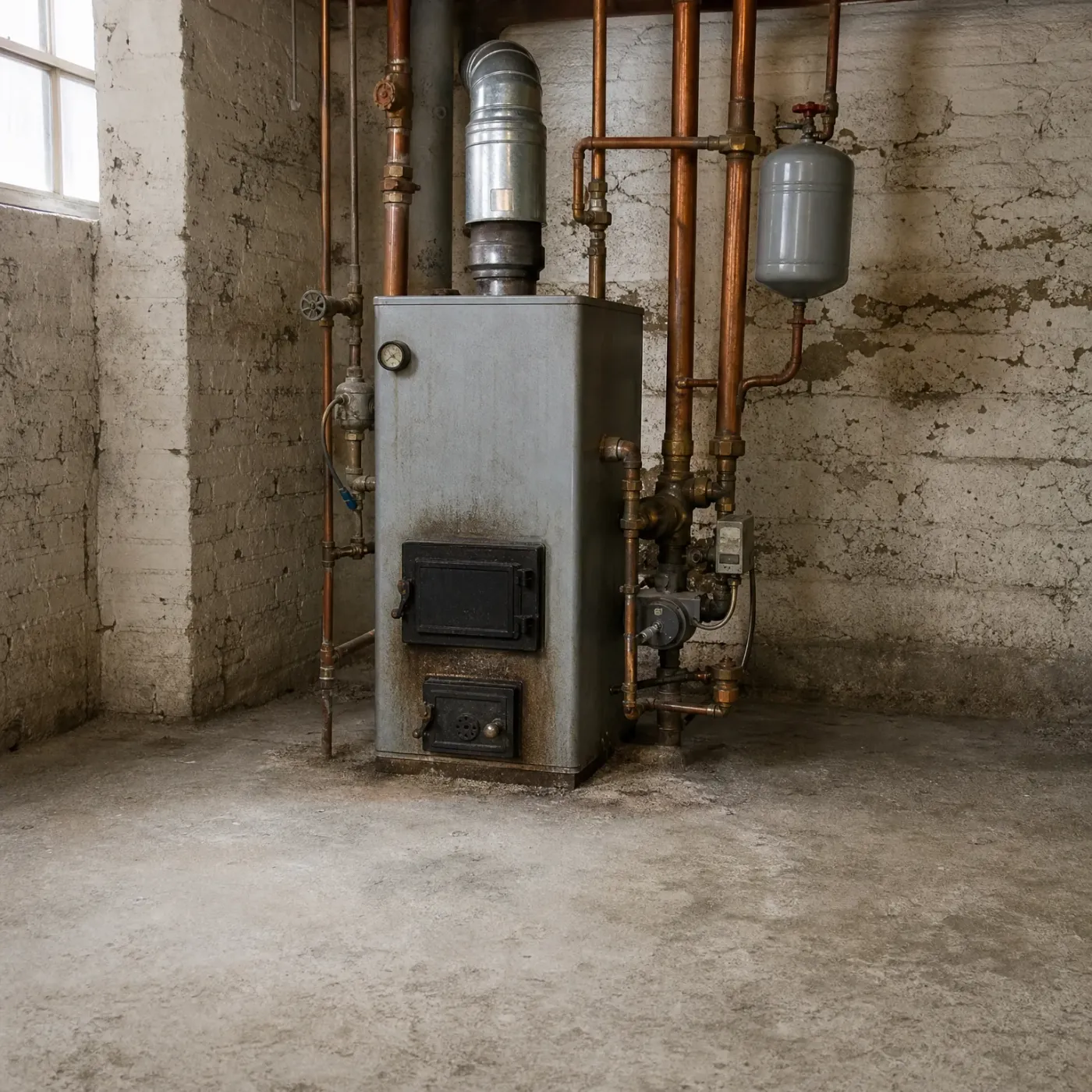
Skip searching for a boiler pro and answer a few questions instead.
Describe your boiler job, and a local pro who handles it gets in touch.
No fee to send it, and nothing to sign.
Why won't my boiler reset after the power went out?
When power drops mid cycle, the burner can cut out before it finishes lighting. The control board treats that as a failed ignition and locks out, the same way it would if the igniter or flame sensor failed on its own. Pressing reset tells the board to try again. If pressure is low, if there's still air in the lines from the outage, or if the flame sensor doesn't see a flame fast enough, it will lock out again within seconds. Some boards only allow a couple of tries before they stop responding to the button entirely, and at that point the only way back on is a technician who can read the fault code and find what's actually stopping ignition.
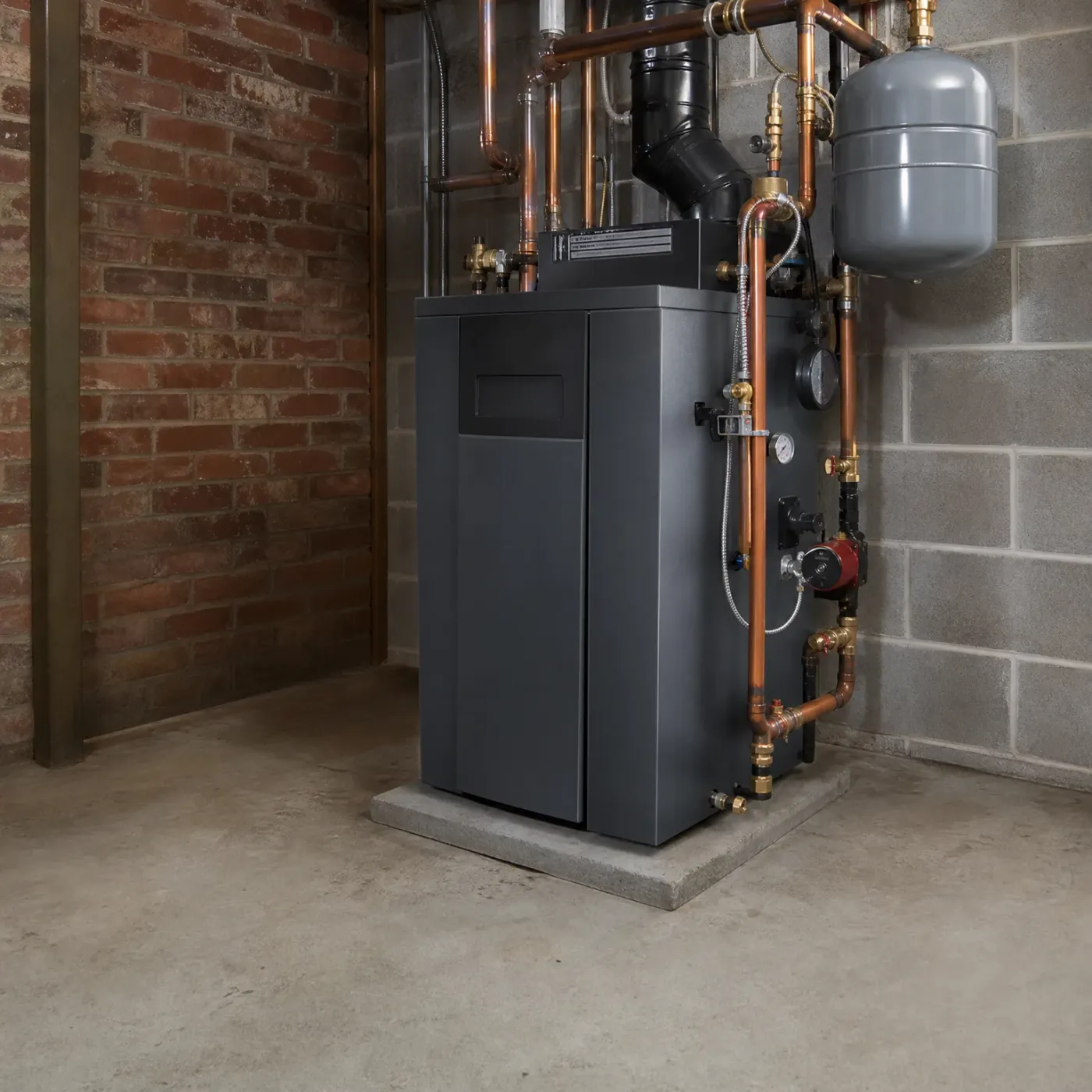
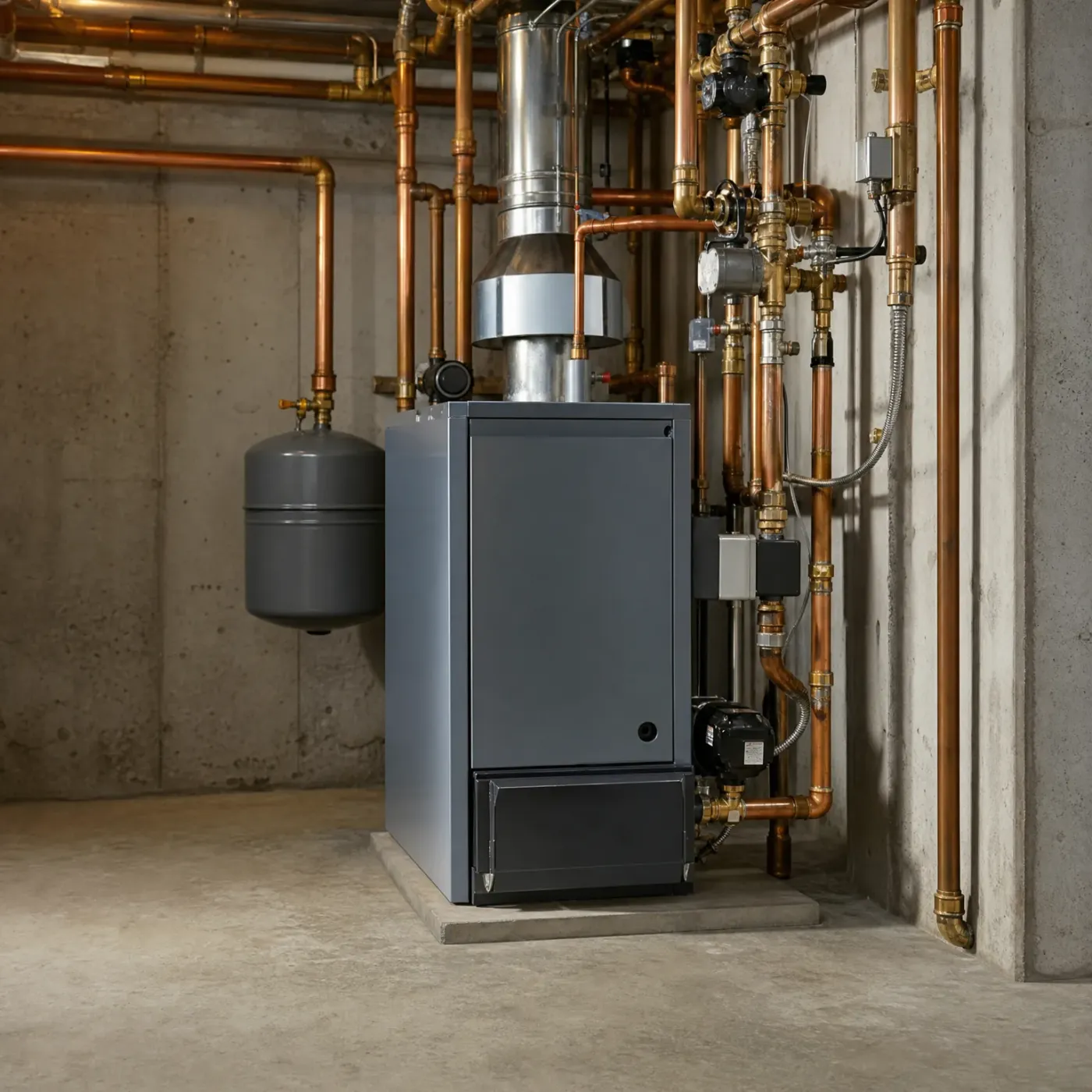
Pressure holds steady on the gauge, the display stays lit, and the copper lines carry heat through the house the way they're supposed to. The expansion tank does its job quietly on the wall. Nothing needs your attention, and that's the whole point of it.
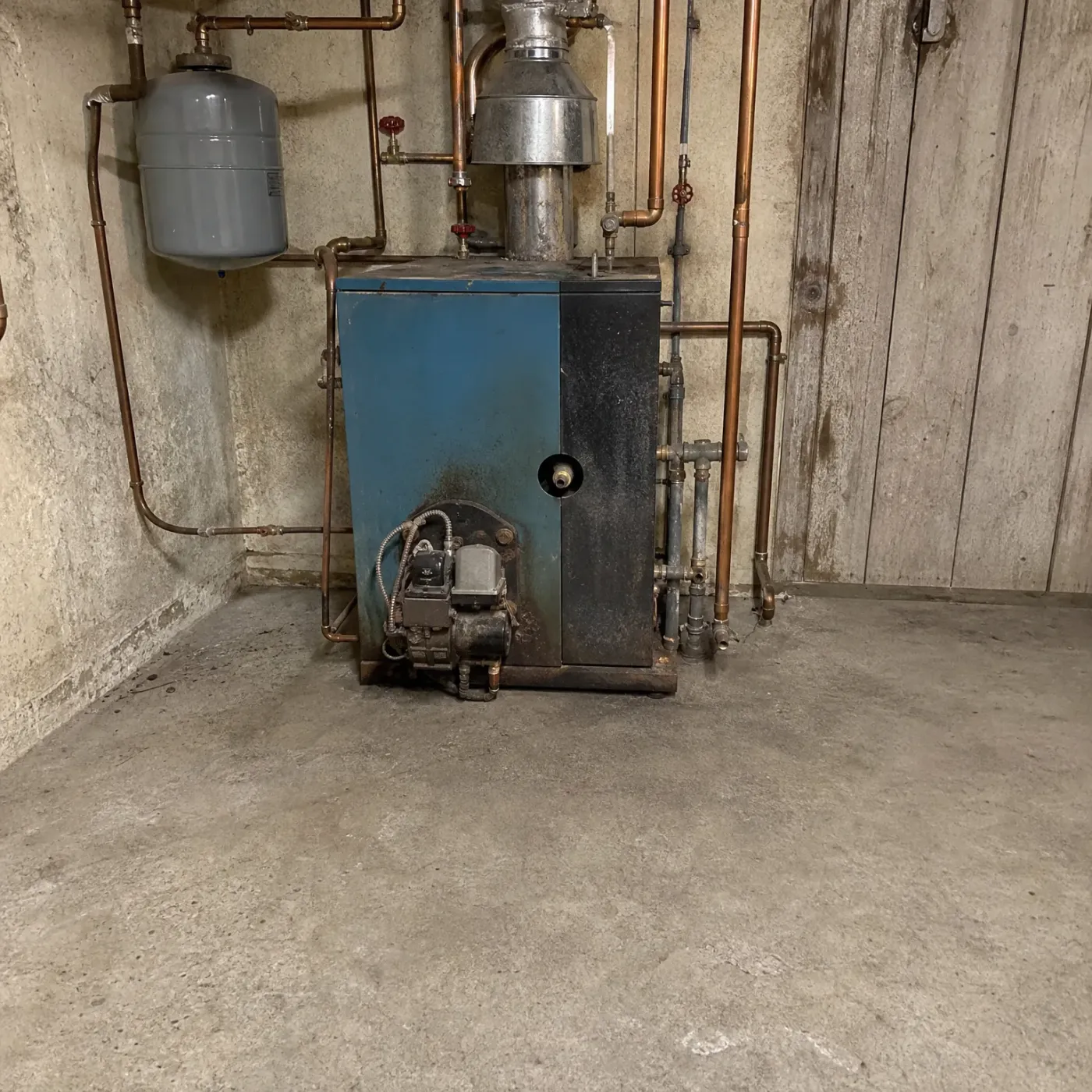
A boiler shoved in the corner and left alone for years wears differently. Corrosion creeps up the fittings, the gauge gets harder to trust, and a power outage can be the thing that finally knocks it into a lockout it won't walk back from on its own. At that point it needs a repair tech, not another reset.
On a 23°F night, a boiler that won't restart stops being an inconvenience fast. There's no gas fireplace to fall back on, just the radiators, and they go cold the moment the burner fails to fire. That's the kind of night a stuck reset turns into a long one.
NOAA nClimDiv 1991-2020 county normals weighted by homes
The pressure gauge tells you what you're dealing with before you touch anything else. Below 1 bar, the filling loop comes first, and the reset button does nothing until that's handled. Above 1 bar, one press of the reset button is the test. The boiler either answers within a couple of minutes, display lit, circulator pump humming, burner firing, or it doesn't, and repeated presses at that point aren't getting you closer. A lockout that won't clear on the first try is the boiler telling you the problem is past what you can reach from the front panel.
If the house is still cold after the gauge was checked and the reset was tried once, you've done what can be done without opening the cabinet. That's a fair place to be. It's also the point where most people start calling around, one contractor after another, explaining the same outage and the same stuck reset each time, then trying to line up quotes that are never quite comparable because no two contractors looked at the same thing.
That part, the searching and the repeating and the comparing, is separate from the boiler itself. Rhode Island winters don't leave much room for a cold house to sit while that search drags on, and power here costs enough that running space heaters through it isn't a real answer either. The boiler needs a contractor's attention. Getting to that contractor without the usual runaround is the other half of the job.
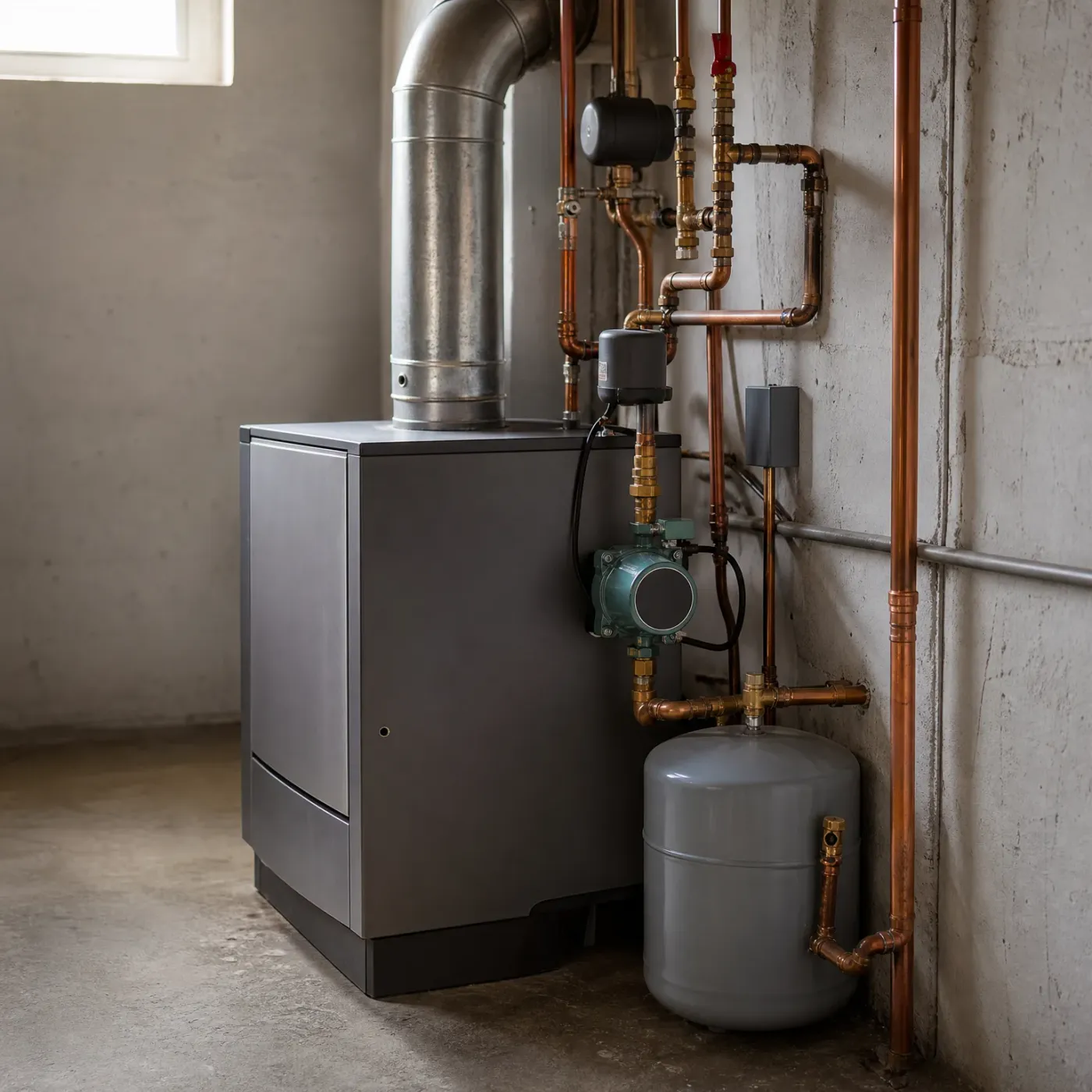
One form replaces the calls you'd make to find a boiler pro.
Sending the form costs nothing.