Boiler running as it should
Steady pressure on the gauge, a circulator pump that runs quiet, and copper lines free of corrosion are what a boiler in good shape looks like. A unit like this can still be repaired piece by piece as parts wear.
 Get matched
Describe your boiler job, and a local pro who handles it gets in touch.
An oil boiler that's starting to struggle puts you in a tough spot in Rhode Island. Oil already costs more to run than the gas most of your neighbors are heating with, and when the boiler starts needing repairs on top of that, the math gets worse every winter you wait.
There are signs worth paying attention to. Short cycling, soot around the burner, a boiler that takes longer to bring rooms up to temperature than it used to, or a repair bill that's creeping close to what a new system would cost. None of these mean you have to replace it today, but together they're how most people end up deciding it's time.
Rhode Island winters aren't mild, and an oil boiler that's losing efficiency burns more fuel to do the same job it used to do easily. If you've noticed your deliveries coming more often, that's usually not your imagination.
This is also where it helps to have someone local look at the actual boiler in your basement, not a general rule. A contractor who installs and services heating systems in Rhode Island homes all winter knows what tends to go wrong with oil boilers specifically, and what's worth fixing versus what's worth replacing. That's a different read than a generic estimate, because it's based on what actually fails in homes like yours, not a chart.
When you request a match through this page, you're not committing to a repair or a replacement. You're connecting with one licensed, local contractor who can look at your system and tell you straight what shape it's in and what your options are. Just one contractor reaching out, not several companies competing for your attention after you submit a form.
From there, the decision is yours. But you'll be making it with someone who's actually seen the boiler, not guessing from a list of symptoms.
You've had the oil truck out more than once this year, or the boiler is making noises it didn't used to make, and you're trying to figure out if this is a repair or if you're past that point. Oil boilers don't fail all at once. They give you a string of small problems first, and the trick is knowing which of those problems mean the next one costs more than a new boiler would.
A boiler past 15 or 20 years old is working harder to do what it used to do easily, and parts for older oil units get harder to find. If you've called for a repair more than once this winter, or the last one was a major part like the heat exchanger, you're close to paying for a new boiler in pieces. The clearest sign is the oil bill itself. A boiler losing efficiency burns more oil to hold the same temperature, and with oil already costing more than the gas most of your neighbors heat with, that loss shows up fast. If you're patching the same system every winter, replacement is usually the cheaper road from here.
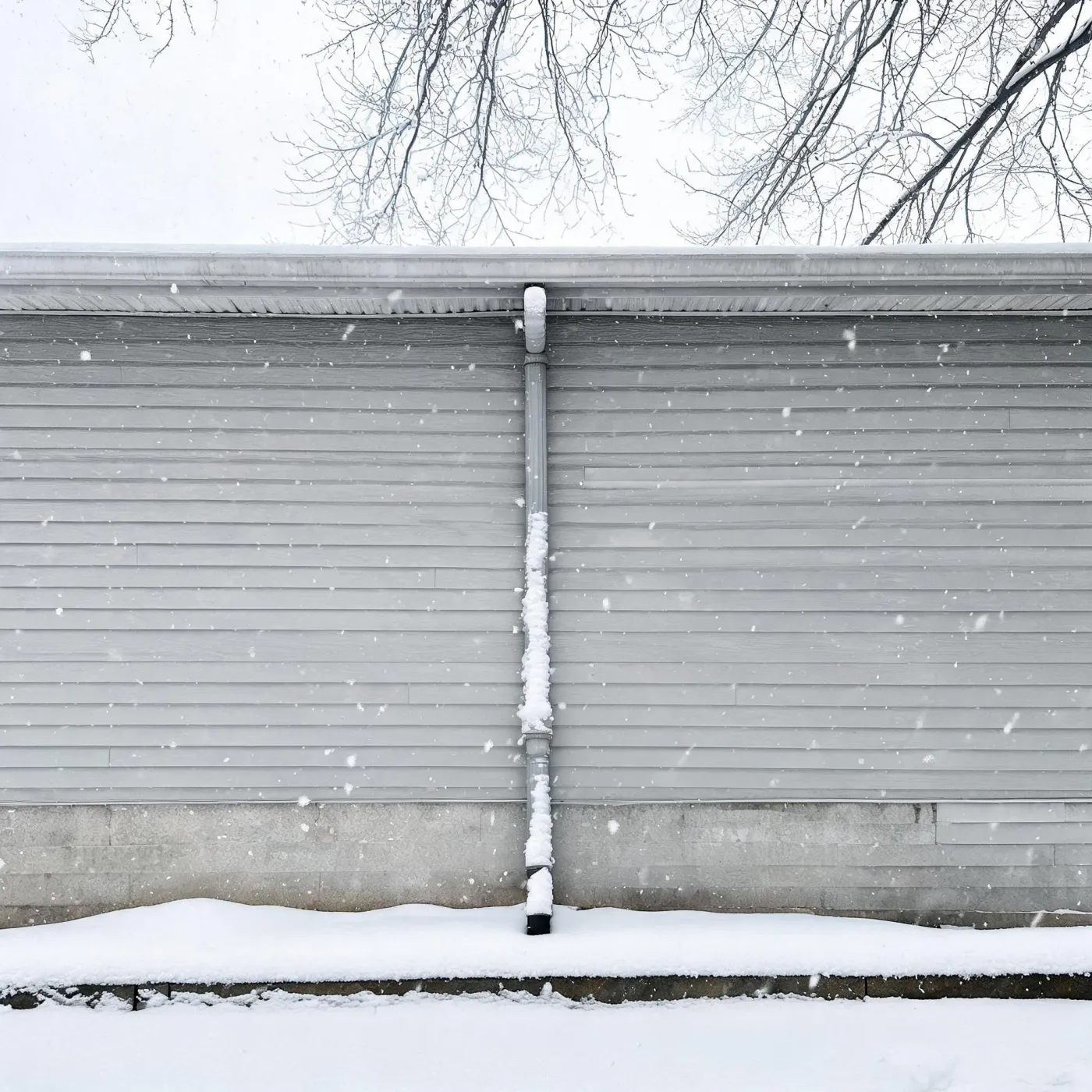
Statewide, winter nights average 23°F, according to NOAA climate data. An oil boiler that's already struggling has to cycle on more through those long nights, and if the heat exchanger or a burner part is on its way out, those are the hours it tends to show. You might notice the house not quite catching up to the thermostat by morning, or the boiler running longer to do the same job it used to do faster. Cold snaps are when a weak boiler tells on itself. If yours has been acting up, getting it looked at before the coldest nights hit matters more than waiting until it quits. A local contractor who services oil boilers through Rhode Island winters can tell you fast whether what you're hearing and feeling points to a repair or to something past fixing.
NOAA nClimDiv 1991-2020 county normals weighted by homes
A boiler that needs the oil truck twice a month and a repair bill on top of that isn't getting cheaper to keep. Oil is already the more expensive fuel next to the gas most of Rhode Island heats with, and electric rates here run among the highest in the country, so there's no cheap backup if the boiler quits on a cold night. A newer system changes that math, and it's worth having someone look at what you've got before another January puts it to the test. A contractor who installs these year round in Rhode Island homes knows what tends to fail in an aging oil boiler and what a straight replacement involves for a house like yours. You'd be working with one local contractor, not fielding calls from several, and that contractor can tell you plainly whether this is a repair or whether you're past that point.
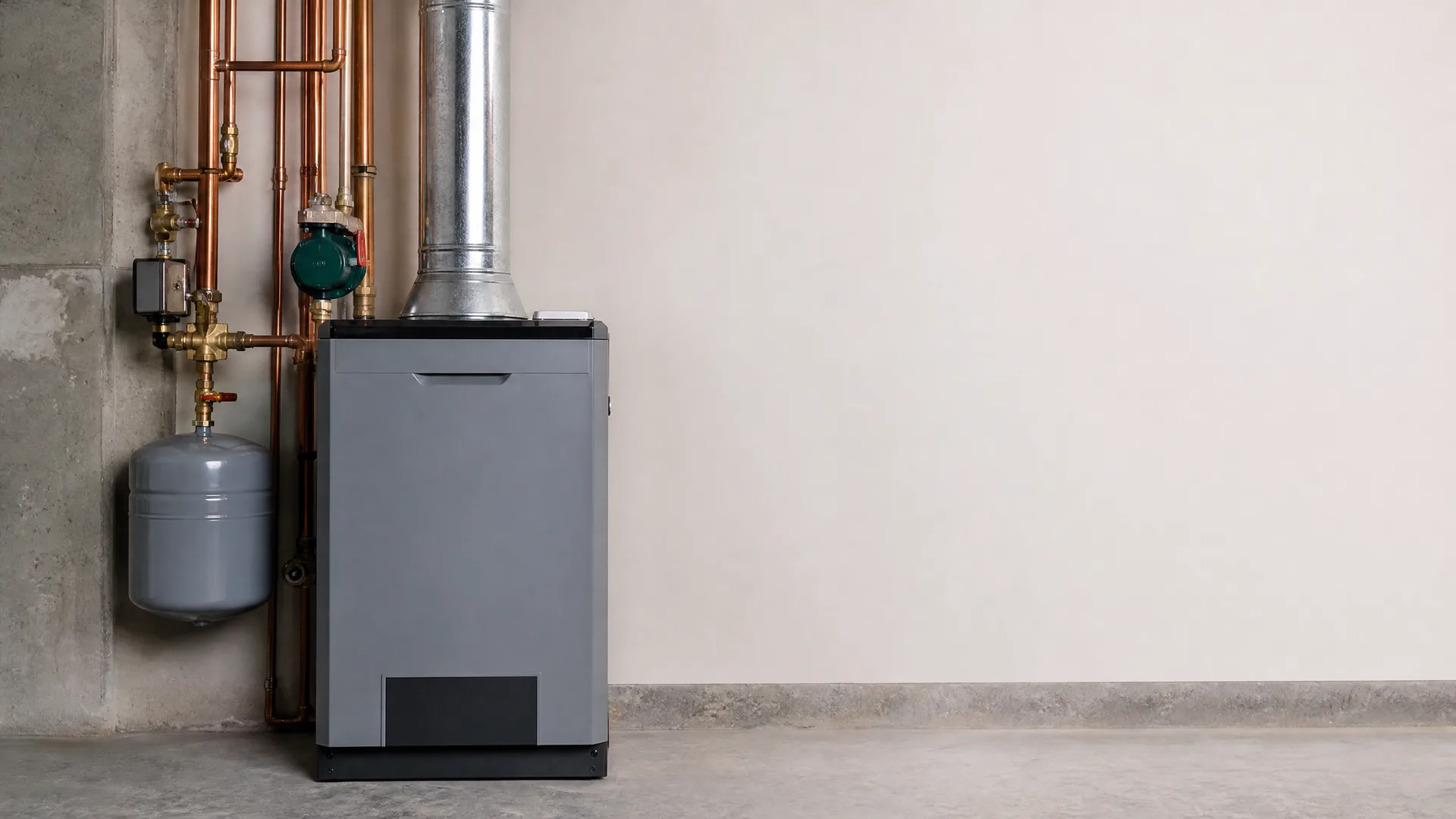
If the breakdowns are still a couple hundred dollars here and there, spaced months apart, repair is still the reasonable call. A tech can replace an igniter or a circulator pump and send you into the rest of winter without touching the boiler itself. The oil bill stays what it's been. You're not taking on a new system, new venting, or a new learning curve for how it runs.
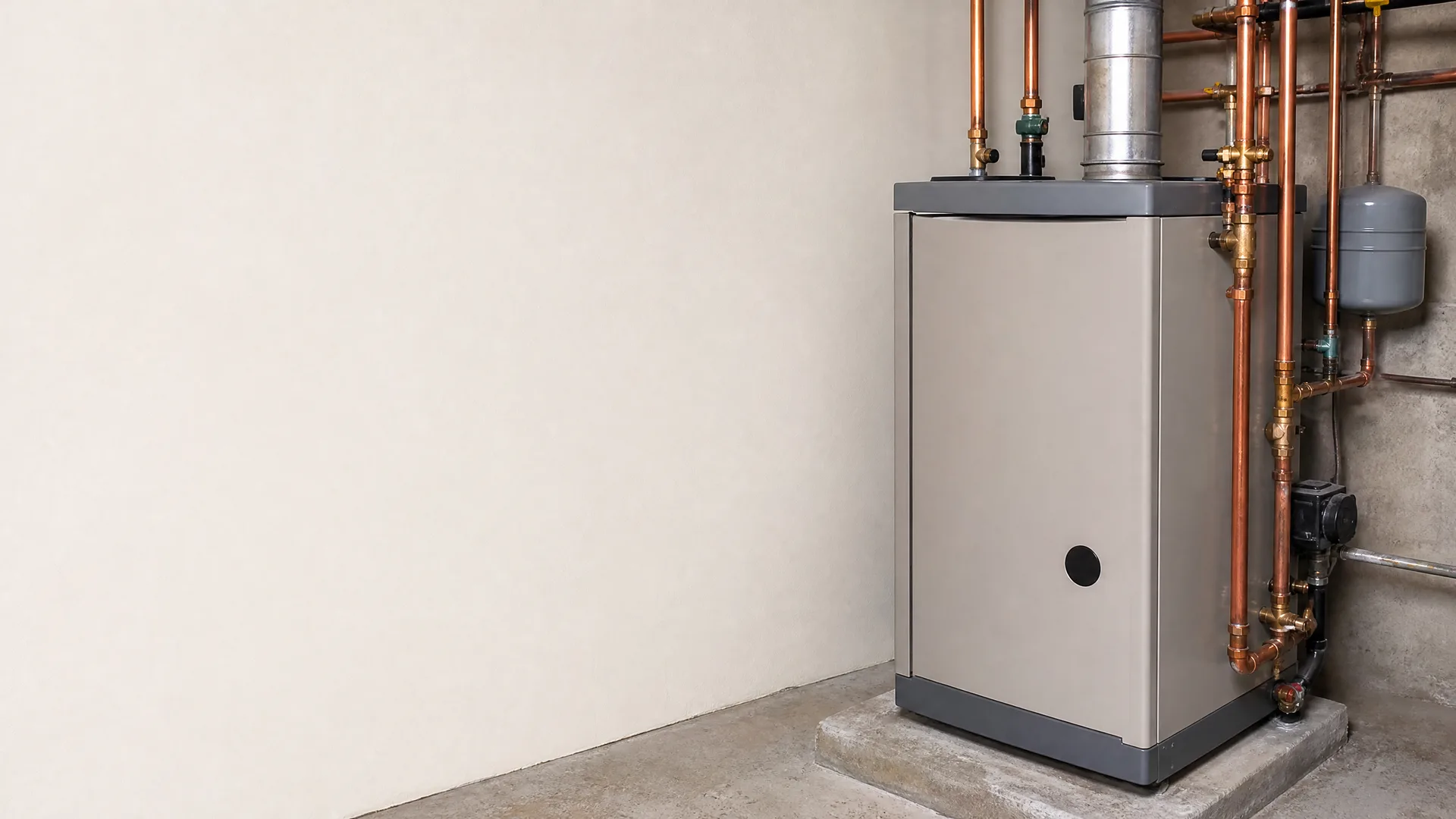
If the oil truck is coming more than it used to and the repairs are stacking up on top of each other, replacing the boiler stops the bleeding instead of slowing it down. A new boiler installed by someone who works on this equipment in Rhode Island every winter gets sized and vented correctly the first time, and you stop paying for both oil deliveries and repair visits on a machine that's already telling you it's done.

Steady pressure on the gauge, a circulator pump that runs quiet, and copper lines free of corrosion are what a boiler in good shape looks like. A unit like this can still be repaired piece by piece as parts wear.

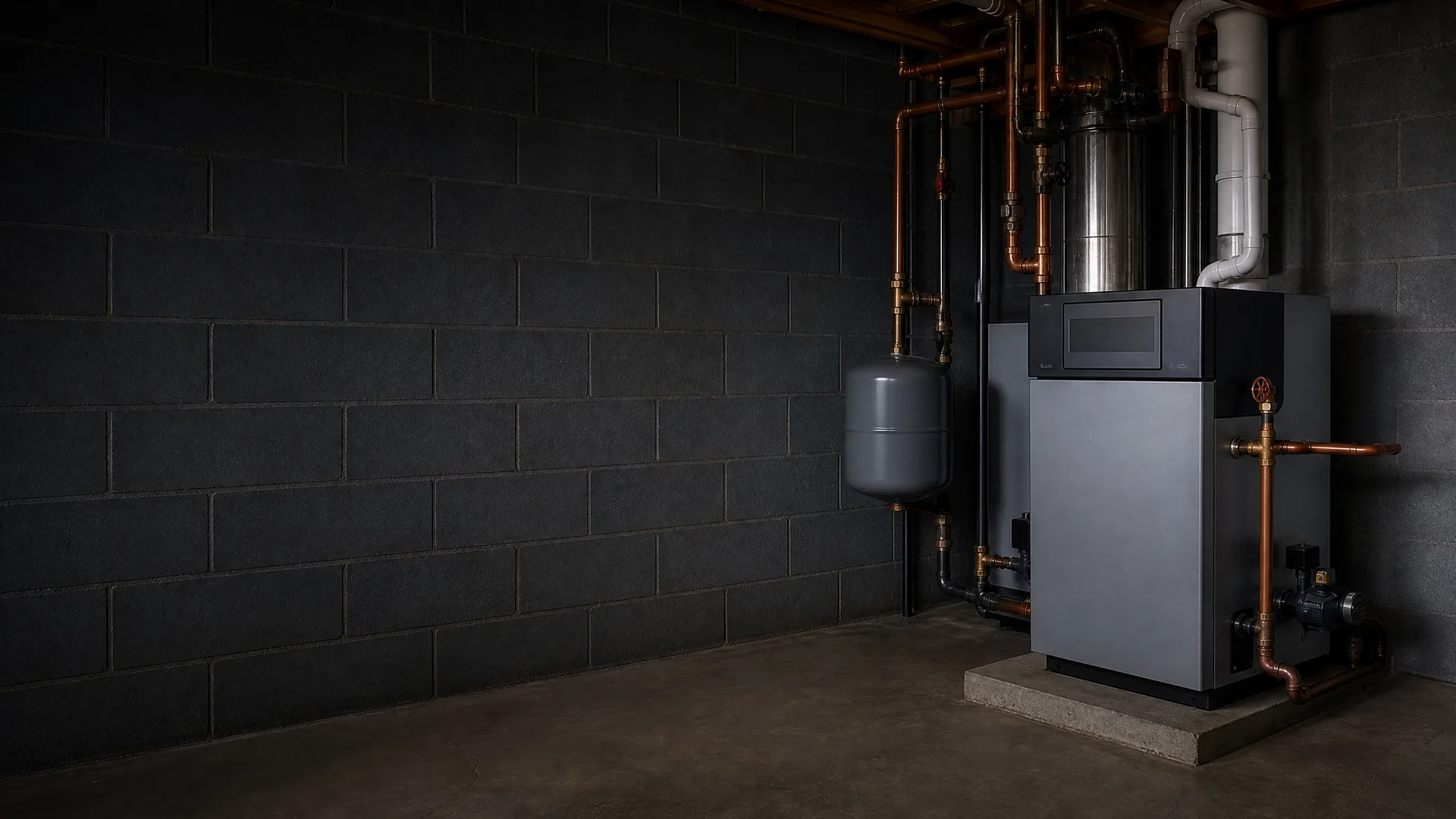
An old burner assembly, pitted pipe runs, and an expansion tank that's seen better days add up to more than any one repair. Once the pump and burner components start going together, a tech is usually looking at replacement, not another fix.


A tech drains the system and disconnects the old oil boiler
The old unit and its oil lines get removed from the space
The new boiler is set, leveled, and connected to existing piping
Electrical and venting connections are tied into the new unit




That's the statewide average low, per NOAA. A boiler already cycling hard on cold nights is working through the hours when a failing part is most likely to quit on you.
Most of Rhode Island heats with gas, and oil runs higher per season. A new boiler won't change the fuel, but a properly sized one burns it more efficiently.
A 23°F night means your boiler is firing most of the night to hold temperature, not just a few cycles. If a burner part or the heat exchanger is already weak, those long overnight stretches are when it's most likely to quit on you.
NOAA nClimDiv 1991-2020 county normals weighted by homes
If the boiler is still holding pressure and heating evenly, keep it going and fix what breaks. If it's asking for repairs every few weeks, or it's old enough that parts are getting hard to find, replacing it is the sounder call before the coldest nights hit. Either way, a boiler is not something to hand to just anyone. The piping, the venting, and the oil lines all have to be done right, and a local contractor who works on these systems all winter knows which parts on a unit like yours tend to go first and what a proper install actually takes. When you request a match, you're connected with one licensed contractor in Rhode Island suited to your situation, not a list of five companies calling you back at once. That's someone who can look at your boiler, give you a straight answer, and do the work properly if that's where you land.
The pro who reaches out is licensed in Rhode Island.