
Mini Split Installation in Rhode Island
Homes in Rhode Island are older than in 48 of the other 49 states.
Tell us about the job
Takes about a minute. No obligation.
- 80°Fsummer afternoon high where people live
- 2 monthsof cooling, July through August
- 23°Fwinter overnight low where people live
- 8 monthsof heat, October through May
Electricity here costs more than in most states a mini split's efficiency shows up on every bill
- Eastern counties need about 13% more cooling than western ones
- Summer afternoons average 80°F where people live
- Winter nights average 23°F where people live
- Cooling runs July through August
- 425 damaging wind events from 2015 to 2024
- 12% of homes lost power a day or more in 2024
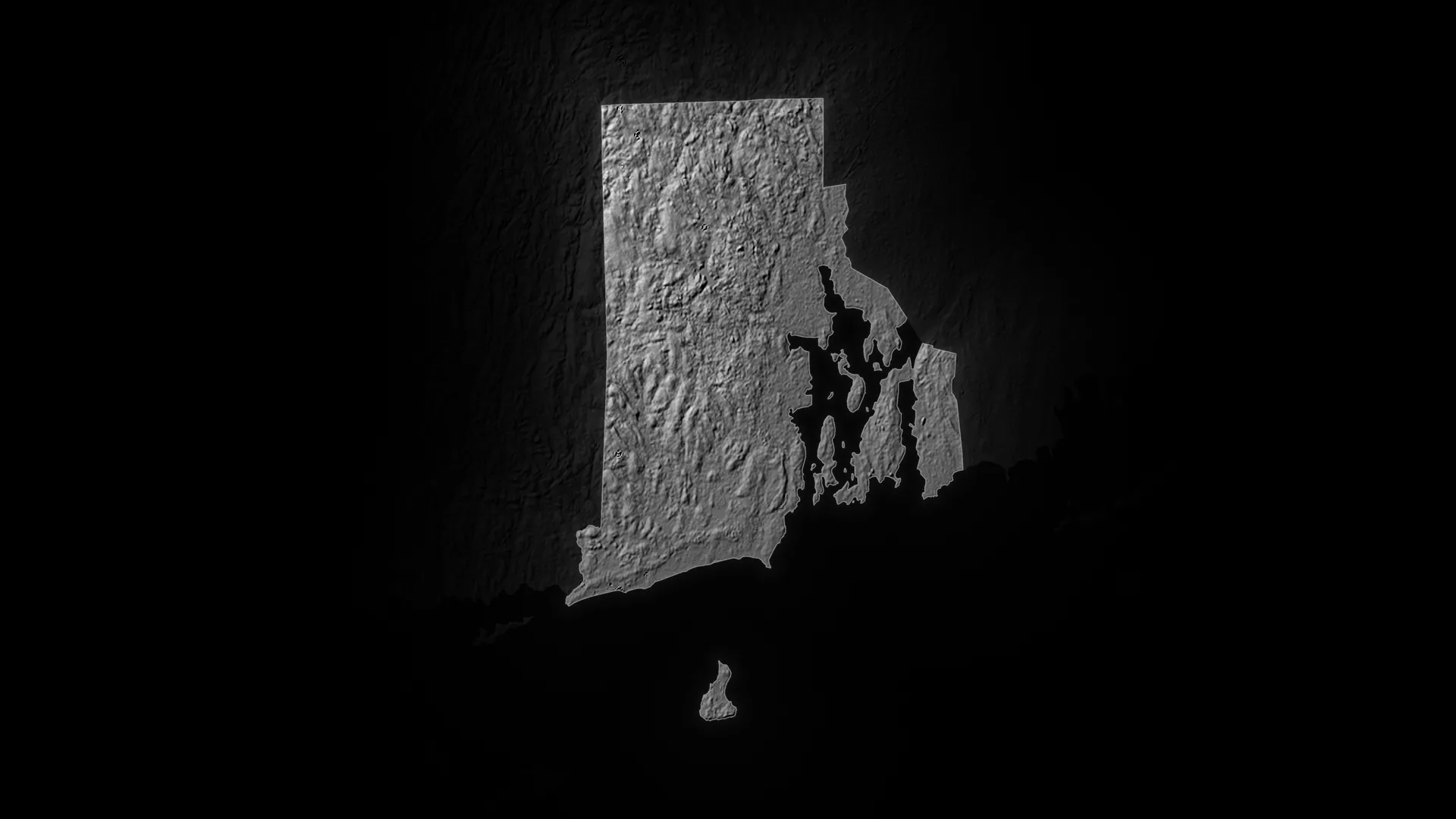

Half of Rhode Island's homes were built in 1962 or earlier

Cooling runs about two months a year here, July and August, with afternoons averaging around 80 degrees. That's a shorter season than most of the country sees, and a milder one. A mini split here isn't working hard to keep up all summer, so there's less wear building on the compressor over time.
A system that isn't under constant strain tends to hold up well with basic care, so you don't need the highest-efficiency model on the market to get a good result here. What matters more is a correct install. Damaging wind has hit Rhode Island 425 times between 2015 and 2024, and the outdoor unit has to stay mounted and sealed through that kind of weather.
Get it installed before July, not during it
Cooling only runs two months here, July and August. June is the quiet month, before anyone needs the system running. Get the mini split installed then and it's ready the day it turns hot, with no rush on the crew or the equipment choice. Wait until July and the install is competing with every other AC call in the state.
2 months of cooling, July through August
8 months of heat, October through May
What does a mini split in Rhode Island face?
How hot do summer afternoons get?
80°Faverage afternoon high where people live
Alaska66°F
Arizona101°F
How cold do winter nights get?
23°Faverage overnight low where people live
North Dakota4°F
Hawaii65°F
How many months does the cooling run?
2 monthsof cooling a year
Alaska0 months
Hawaii12 months
What does electricity cost?
28.65¢per kWh (kilowatt hours, the unit on an electric bill), what homes paid in 2024
North Dakota11.51¢
Hawaii42.86¢
How often do storms hit?
190severe weather events per county from 2015 to 2024
Alaska5
Wyoming1,057
How many homes lost power for a day or more?
12%of homes in 2024
Arizona7%
Maine54%
What you pay per kilowatthour here decides what this unit costs you to run
Electricity here runs 28.65 cents per kilowatthour, among the highest rates in the country. A mini split's efficiency rating is where that cost shows up. Two systems cooling the same room can land far apart on the bill if one has a better compressor and a tighter refrigerant charge. The install matters as much as the equipment. A unit charged correctly and sized right for the room holds that efficiency rating. One that isn't will cost more to run no matter what the spec sheet says.
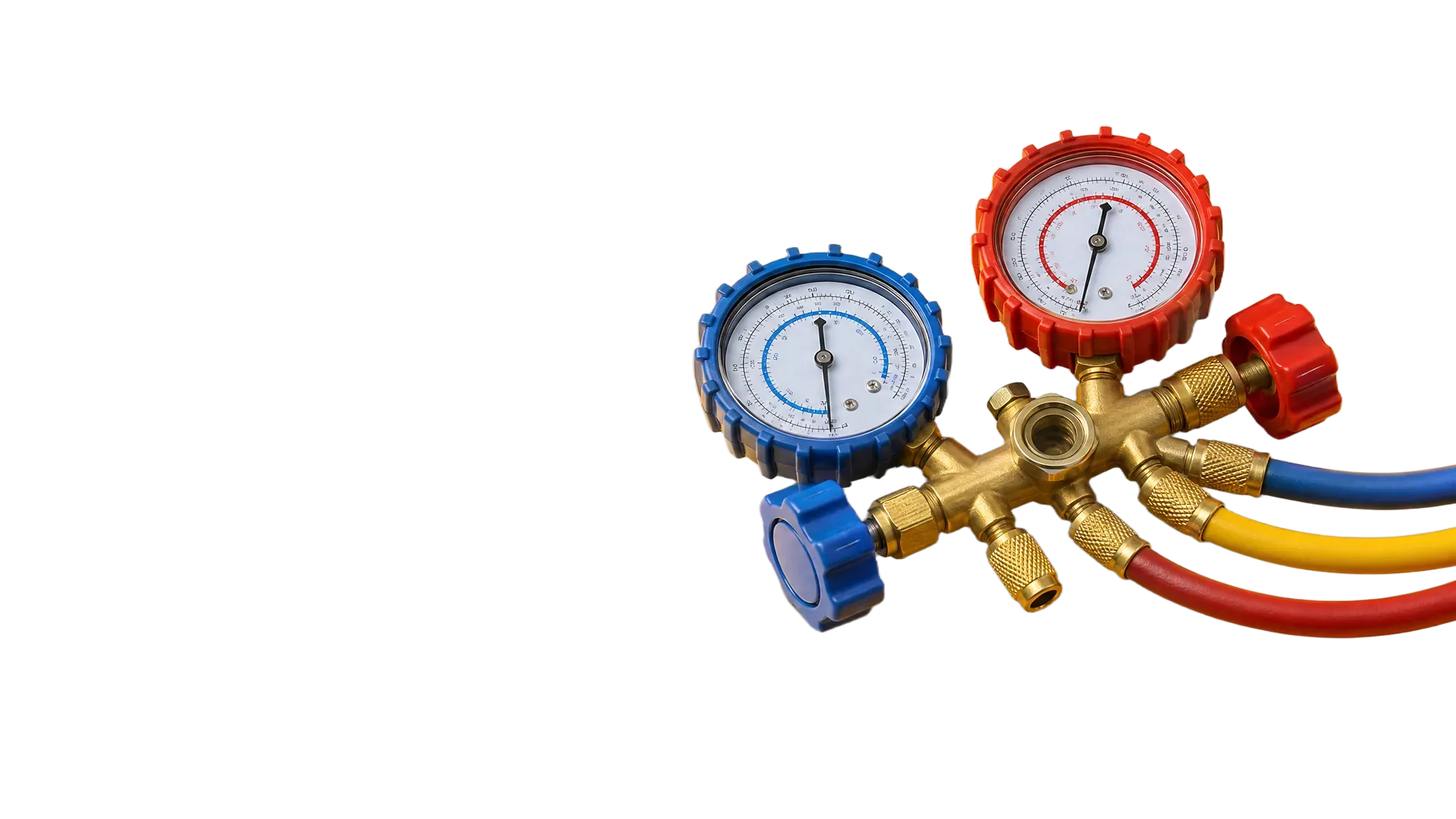
Questions worth asking before you pick a system
Ask how many zones the system can run and whether this one is sized for just this room or for a future addition. A mini split's outdoor unit has a fixed capacity, and once it's split across indoor heads, each one only gets a share. Ask what happens if you add a head later, because some outdoor units have room to spare and some are maxed out from day one. Ask about the line set too, how far it runs between the outdoor unit and the indoor head, and whether it's hidden in a wall cavity or surface mounted. A longer line set means more refrigerant and a harder job getting the charge right. Ask what warranty covers the compressor versus what covers labor, since those are often different lengths and only one of them means much if the compressor fails. And ask who commissions the system once it's mounted, because a mini split that isn't charged and tested properly at startup will never hit the efficiency number on its label, no matter how good the unit is.
It adds to your heat, it doesn't replace it
Most homes in Rhode Island heat with utility gas, better than half of them. Fuel oil comes next, heating about a quarter of homes, and electricity and bottled gas make up the rest. A mini split doesn't care which of those you have, since it runs on electricity and isn't tied to the gas line or the oil tank either way. That makes it a straightforward add alongside whatever's already heating the house, not a replacement for it. Most installs here use the mini split for cooling and let the existing system keep handling winter.
Eastern Rhode Island needs about 13% more cooling a year than the western part of the state.
Tell us about the job
Takes about a minute. No obligation.
Fill out the form and hear from a contractor who installs mini splits in your part of the state.