Profile view of a bearded man wearing a black baseball cap and a dark gray T-shirt against a plain light background.

Why your baseboard heat isn't working in Rhode Island

RepairBoilerRhode Island
Step 1 of 2

What ZIP code is the job in?

Why is my baseboard heat not working?

Cold is working its way through the house and the baseboard units are quiet or barely warm. Before you call anyone you want to know what actually stops baseboard heat from working, because half the time it's something small that got ignored until the room went cold. With a boiler system, the heat has to make it from the boiler through the loop to the fins, and there are a few specific points where that trip breaks down.

Air in the lines, a stuck zone valve, or a boiler that isn't firing

Baseboard heat runs on hot water moving through a closed loop from the boiler to the fins in each room. If a baseboard is cold, air trapped in that line is blocking the water, a zone valve has failed open or shut, or the boiler itself isn't firing or isn't getting water up to temperature. A thermostat that's lost power or wiring to a zone valve are the other common breaks in that chain. In Rhode Island, where most homes heat with gas and the system runs hard once the cold sets in, these small failures show up fast because the boiler is working harder to keep up. Catching the cause early, air, a valve, or the boiler, keeps one cold room from turning into a bigger repair.

A smiling man in a gray long-sleeved shirt stands in a kitchen looking to the side, with open shelves of dishes, a white mug on the counter, a potted plant, and a view through a doorway into a living room.
A smiling bearded man in a green sweater sits at a white marble kitchen island with a mug, potted plant and bowl of fruit, in a bright white interior with open shelving and an arched doorway.
A smiling man with dark curly hair and a beard, wearing a dark green knit sweater, stands at a white marble kitchen counter with a dark blue mug, with open shelving, pendant lights and a houseplant behind him.
A smiling man in a green ribbed sweater stands behind a wooden table holding a ceramic mug of coffee in a kitchen with white subway tile, shelves of potted plants, and a bowl of fruit.
A closed laptop and a cream mug of coffee on a coaster sit on a dark wooden table, with a potted plant at left and a kitchen counter, tiled backsplash and shelf of ceramics in the background.

What a cold baseboard run means for your house

One cold run usually means the boiler isn't getting water to it, or air is stuck in the line. Several cold runs with the rest warm points at a zone valve or a circulator for that loop. Either way, the room it feeds just doesn't come up to temperature, and with gas rates as high as they are in Rhode Island, you're still paying to heat the water, it's just not reaching where you need it.

Left alone, a boiler working against a stuck valve or a failing circulator strains to make up for the room that isn't heating, and that wears on parts that were fine before. You already know to deal with small problems before they turn into bigger ones. The part that takes the time isn't the repair, it's finding someone licensed who can look at your system this week, explaining the cold rooms and the lukewarm pipes all over again on the phone, then weighing one quote against another. Send the form once and that search is off your plate.

A gray upholstered sofa with a textured cushion sits beside a dark round side table holding a vase of green foliage, with a table lamp and sheer-curtained window behind.
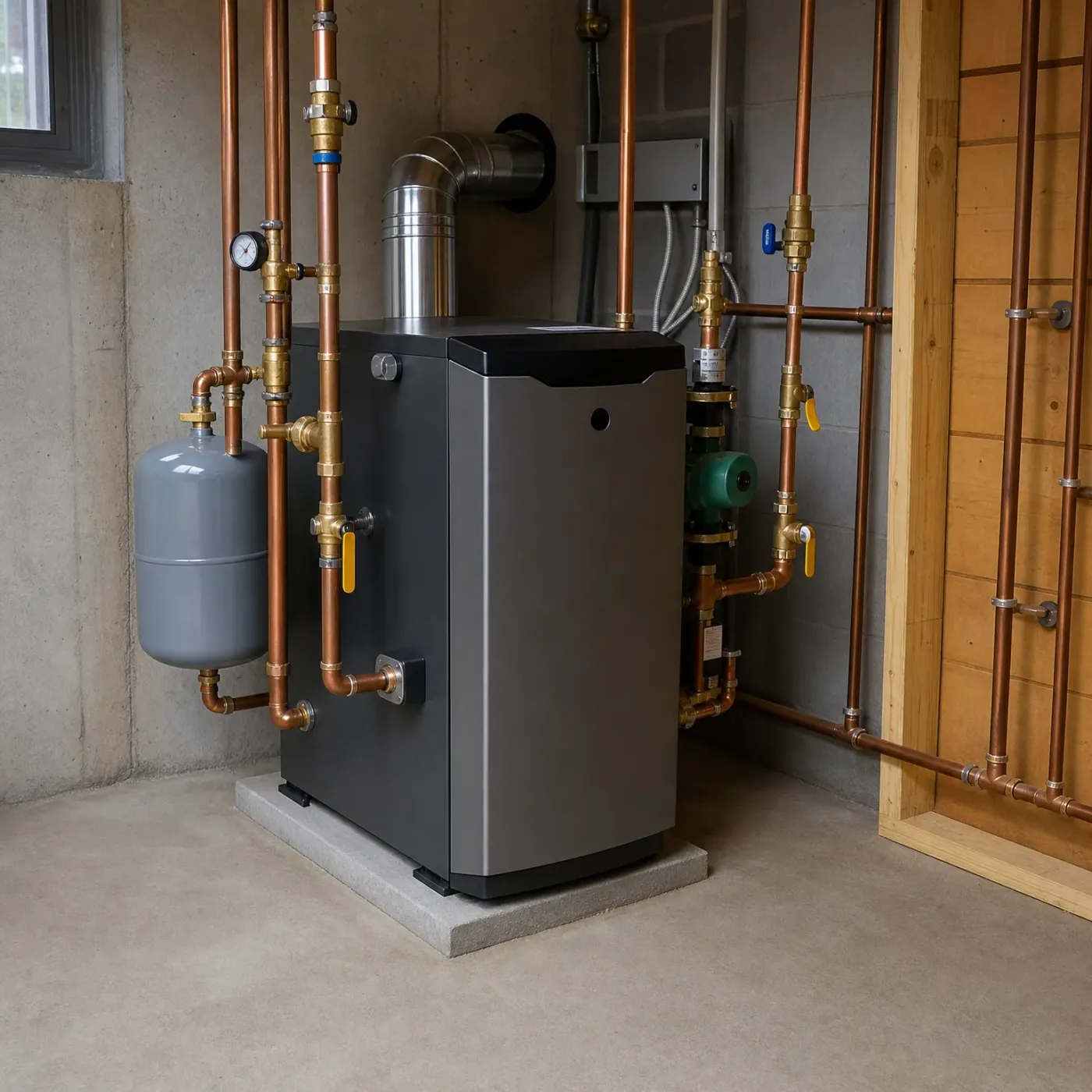
A dark gray floor-standing boiler on a concrete pad in a basement, surrounded by copper piping, brass valves, a gray expansion tank, a circulator pump, and a metal flue pipe against concrete block walls.

Boiler running right

Pressure holds steady, the pump runs quiet, and every baseboard in the house comes up warm within a few minutes of the thermostat calling. No clanking in the pipes, no cold spots on one floor while another bakes. That's a boiler keeping up with a Rhode Island winter the way it should.
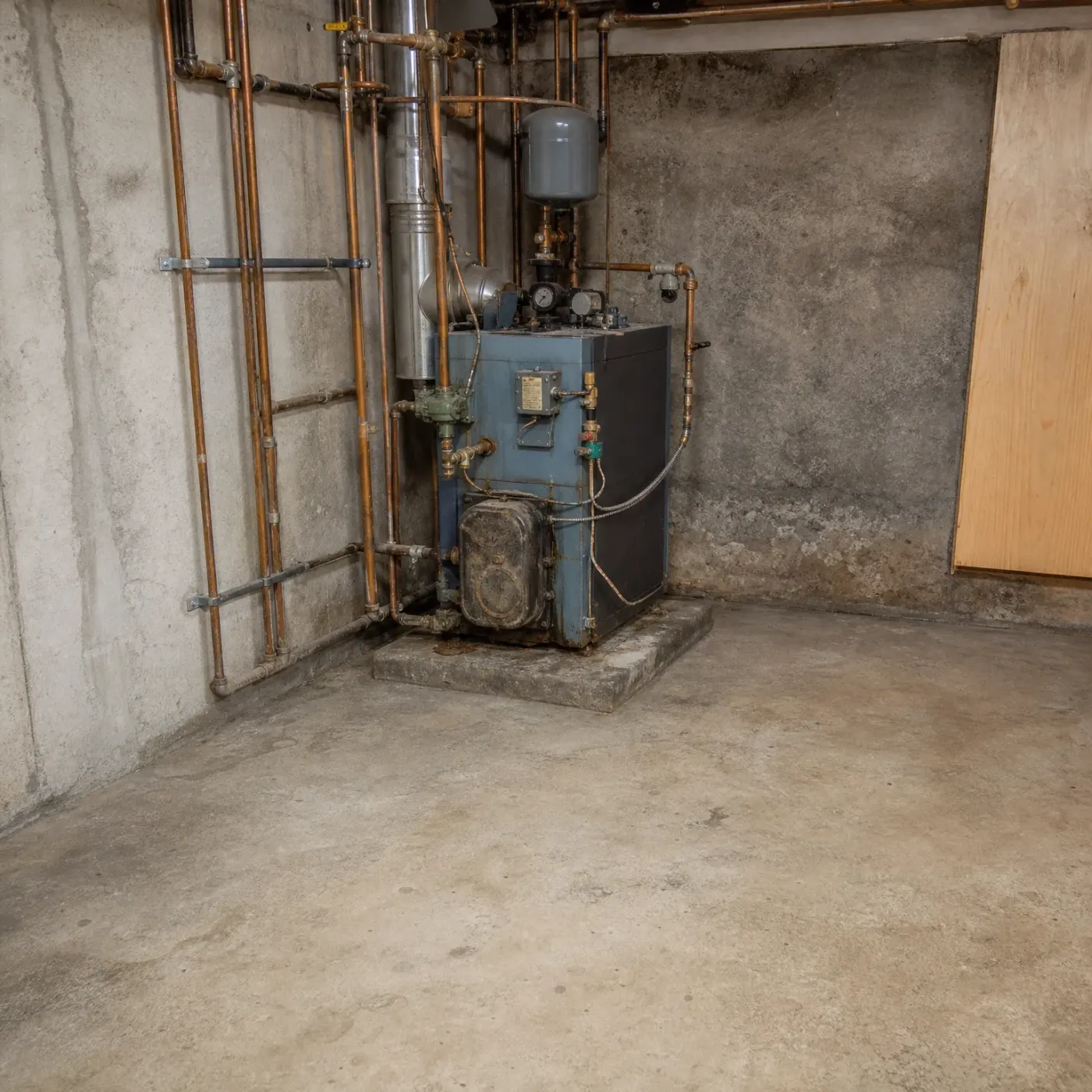
A blue boiler on a raised concrete pad in a basement corner, with copper and steel pipes, a gauge cluster, an expansion tank, and a metal flue running up the bare concrete walls.

Boiler in trouble

An older unit like this one can still heat the house for years, but it's also where small problems hide longest. A failing circulator, a stuck valve, or a pressure drop can sit unnoticed until a whole zone goes cold. Catching it early is cheaper than waiting for it to fail outright.

Is one room cold while the rest of the house is warm

You've probably already walked the house checking each baseboard with your hand. Maybe the living room comes up warm but the back bedroom stays cold no matter how long the thermostat calls. Maybe you hear the boiler running and water moving through the pipes, but one or two units never get past lukewarm. You might notice the thermostat in that room reading lower than it's set to, or the gas bill climbing while the house still feels uneven. A zone that won't heat usually means the boiler is working fine everywhere else, so the problem sits with that one loop, not the whole system.

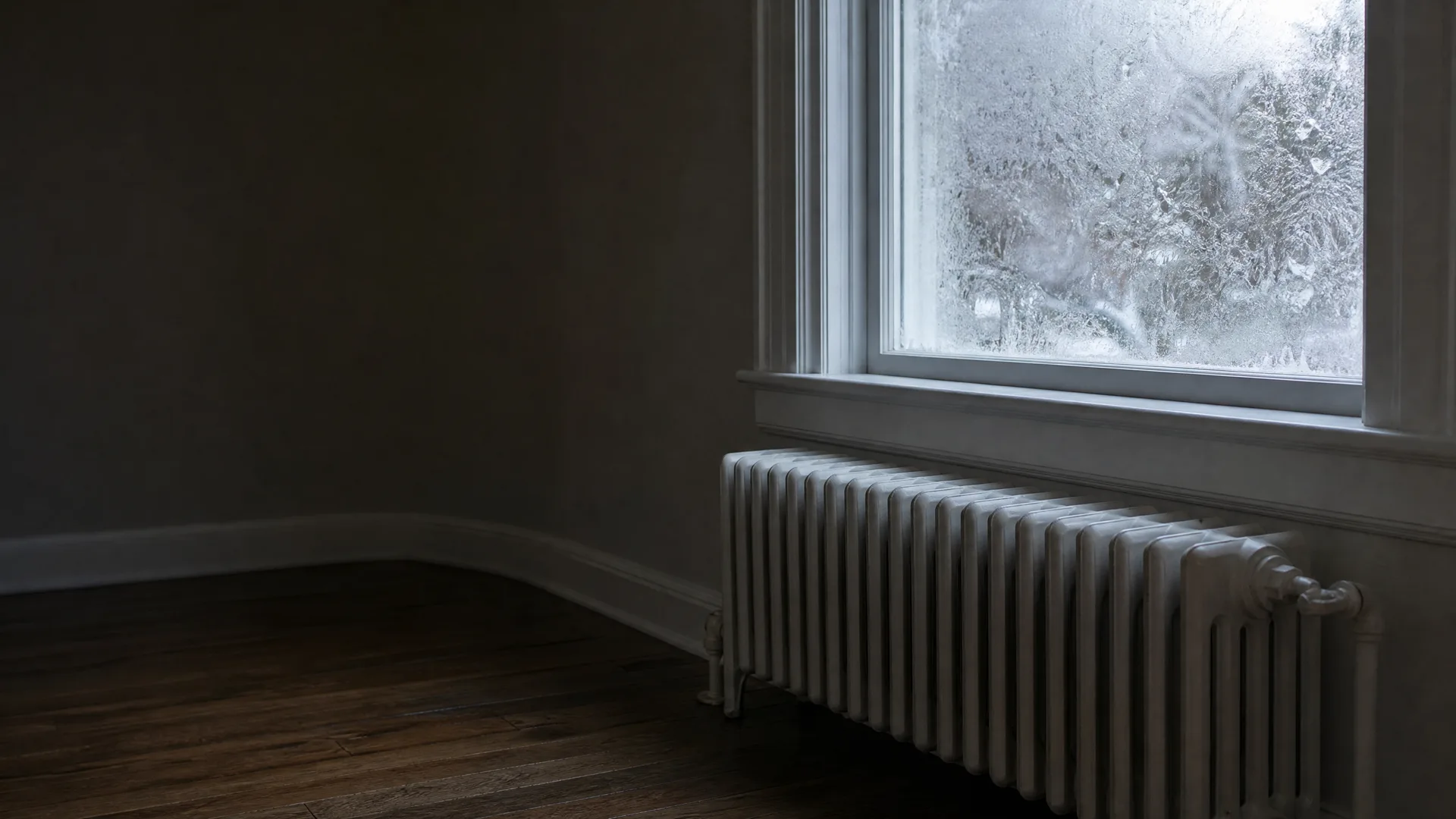
A white cast-iron column radiator under a frosted window in a dim empty room with dark walls and a wood floor, with snowy trees visible outside.

You come down before the sun's up, the way you always do in January, and the living room has that particular cold that sits low near the floor. The cast-iron radiator under the front window is dark and quiet. On the glass above it, ice has formed on the inside, a thin sheet you can feel without touching once you're close enough. You put your palm flat on the radiator's top rib anyway, out of habit, and it's cold straight through. The thermostat on the wall says it's calling. You can hear the boiler running somewhere down in the basement, doing its part. This one room just isn't getting any of it.

Hand off the boiler problem

A boiler that won't push heat into the baseboards doesn't fix itself by waiting, and in a Rhode Island winter a day lost to a cold house is a day you'll remember. Most of what causes this, a stuck zone valve, a circulator that's quit, air trapped in a loop, a boiler losing pressure, needs someone who can get into the system and find which one it is. That's not a weekend project, and with gas heating most homes here, a boiler problem is worth getting in front of before it turns into a bigger repair. What usually eats the time isn't the fix, it's getting to someone who can do it: searching, calling a few numbers, explaining the cold rooms and the quiet baseboards again to each one, then waiting to see who calls back first. Send the request once and that part is done. You're left with the actual problem, the cold room and the boiler that needs a look, instead of a list of contractors to chase down.

Baseboard heat runs on hot water, not hot air, so a boiler that's short on pressure or has air trapped in a loop can keep running while one zone stays cold.

That's why the thermostat can call for heat, the boiler can fire, and the baseboard in the back bedroom still never gets warm.

A blue oil-fired boiler with a pressure gauge, burner unit and metal flue sits on a concrete pad in a basement corner, surrounded by copper and black pipes against bare concrete walls.
Before you get your boiler repair
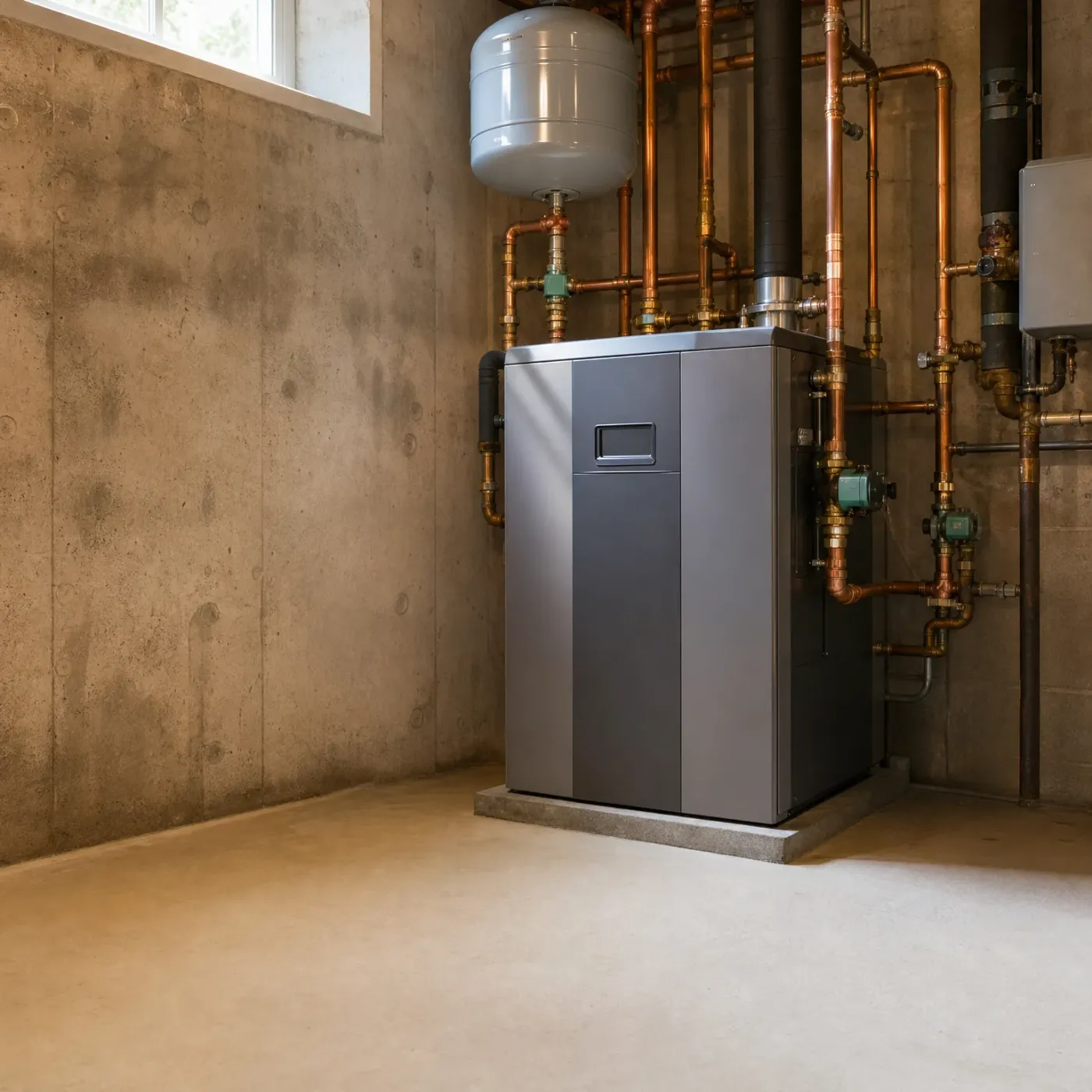
A gray boiler unit on a concrete pad in a basement corner, connected to copper piping, circulator pumps, and a ceiling-mounted expansion tank against bare concrete walls.
After you get your boiler repair

Your boiler doesn't heat your house directly. It heats water, and that water has to travel out to each baseboard before any room feels it. A circulator pump does that work for each zone, moving hot water from the boiler through the copper fins inside the baseboard unit. If that pump quits, the boiler can still fire and still get hot, the water just has nowhere to go. Because each zone has its own valve or pump, one loop can fail while the rest of the house heats fine. Air is the other common holdup. If it collects at the top of a loop, it blocks the water behind it, even with a good pump and a good valve. The aquastat plays a part too, since it decides when the water's hot enough to send out, and a weak one can send out water that's not hot enough to do the job. And at the baseboard itself, the fins need open air around them to pass that heat into the room.

How Water Gets Your Rooms Warm

  • Your boiler heats water, not air, and pumps it through copper fins inside each baseboard to warm the room.
  • A circulator pump pushes the hot water around each zone, and if it fails, water just sits in the boiler getting hot with nowhere to go.
  • Each zone has its own zone valve or circulator, which is why one loop can run cold while the rest of the house stays warm.
  • Air trapped at the top of a baseboard loop blocks water from moving through it, even when the pump and valve both work fine.
  • The aquastat tells the boiler when the water's hot enough to send out, and a bad one can leave the water too cool to heat the room.
  • Baseboard fins need air to move past them freely, so anything blocking that airflow at the unit keeps the room cold no matter what the boiler is doing.
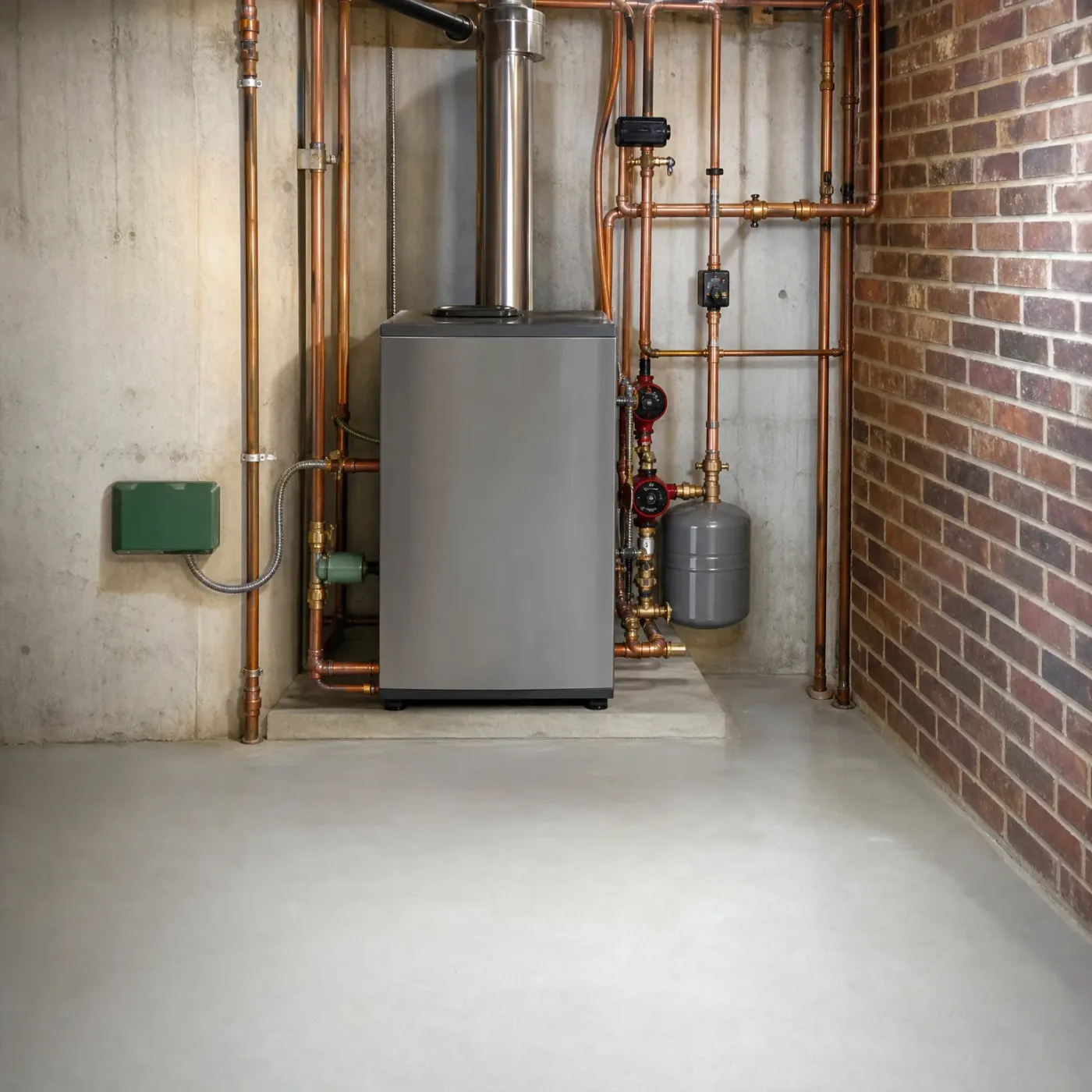
A gray boiler on a concrete pad in a basement, connected to copper piping, valves, pumps and a gray expansion tank, with a concrete wall on the left and a brick wall on the right.
Copper lines run tight and dry to every zone, the pump is quiet, and the gauge sits where it should.
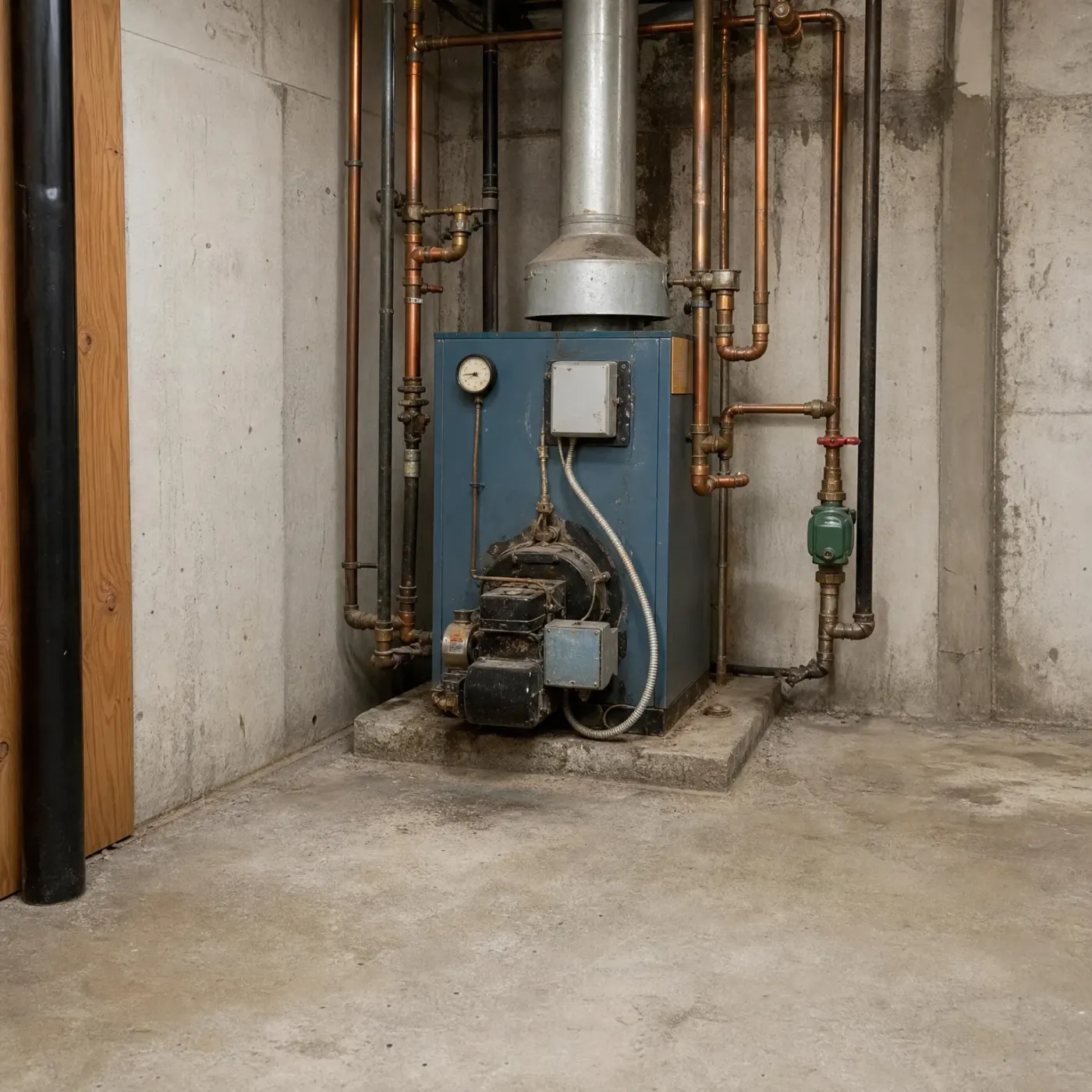
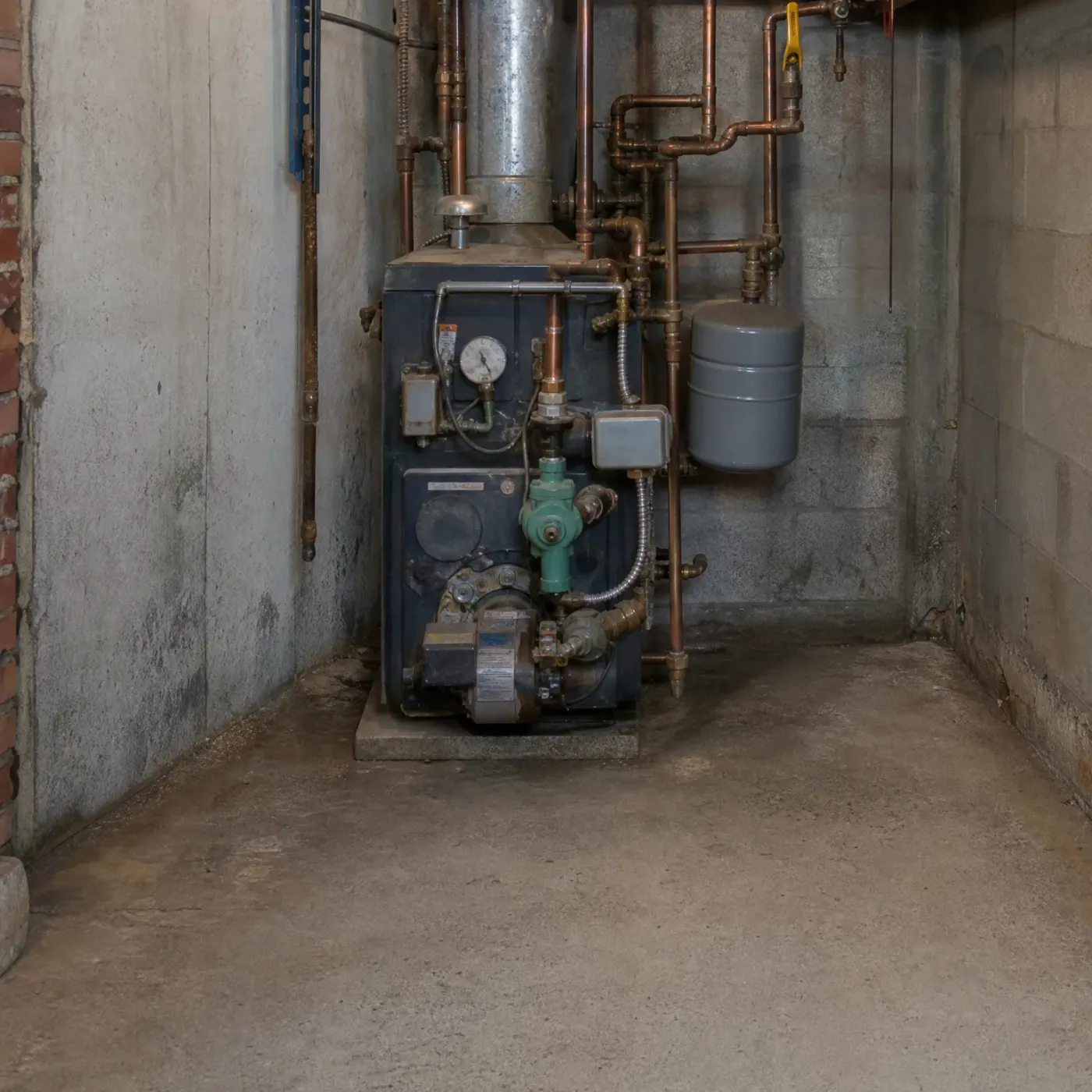
A dark cast-iron boiler with copper piping, pressure gauge, and a gray expansion tank sits on a concrete pad in a basement corner with concrete block and brick walls.
Here the oil-fired boiler sits older and alone, pressure drifting and the pump straining to push water through.

Live With the Cold Room or Fix It

Live with it

  • The cold room stays shut off and the thermostat keeps calling, which means the boiler cycles more than it should.
  • A stuck zone valve or dead circulator doesn't clear up on its own, so the room stays cold until someone opens the valve or replaces the pump.
  • Running the boiler harder to compensate pushes up a gas bill that's already one of the higher costs in the house.
  • Air trapped in a loop can work its way into other zones over time, so one cold room can turn into two.
  • Low boiler pressure left unchecked can trip the low water cutoff, and then no zone gets heat at all.
  • A circulator that's failing usually gets louder or seizes outright before it quits for good, so the problem doesn't stay small.

Get it repaired

  • A contractor can pressure test the system and tell you in one visit whether it's a zone valve, a circulator, or air in the line.
  • Bleeding a loop or replacing a zone valve is routine work for a licensed heating contractor who already knows gas boilers.
  • Once it's fixed, every baseboard in the house comes up warm on the same call instead of one room staying cold.
  • You skip calling around, explaining the cold room twice, and comparing quotes; the form sends the job out and you're done with that part.
  • A boiler holding steady pressure with water actually reaching every zone runs less than one short-cycling to cover a dead room.
  • Fixing the valve or pump now means it's not failing further on the coldest night of the winter.
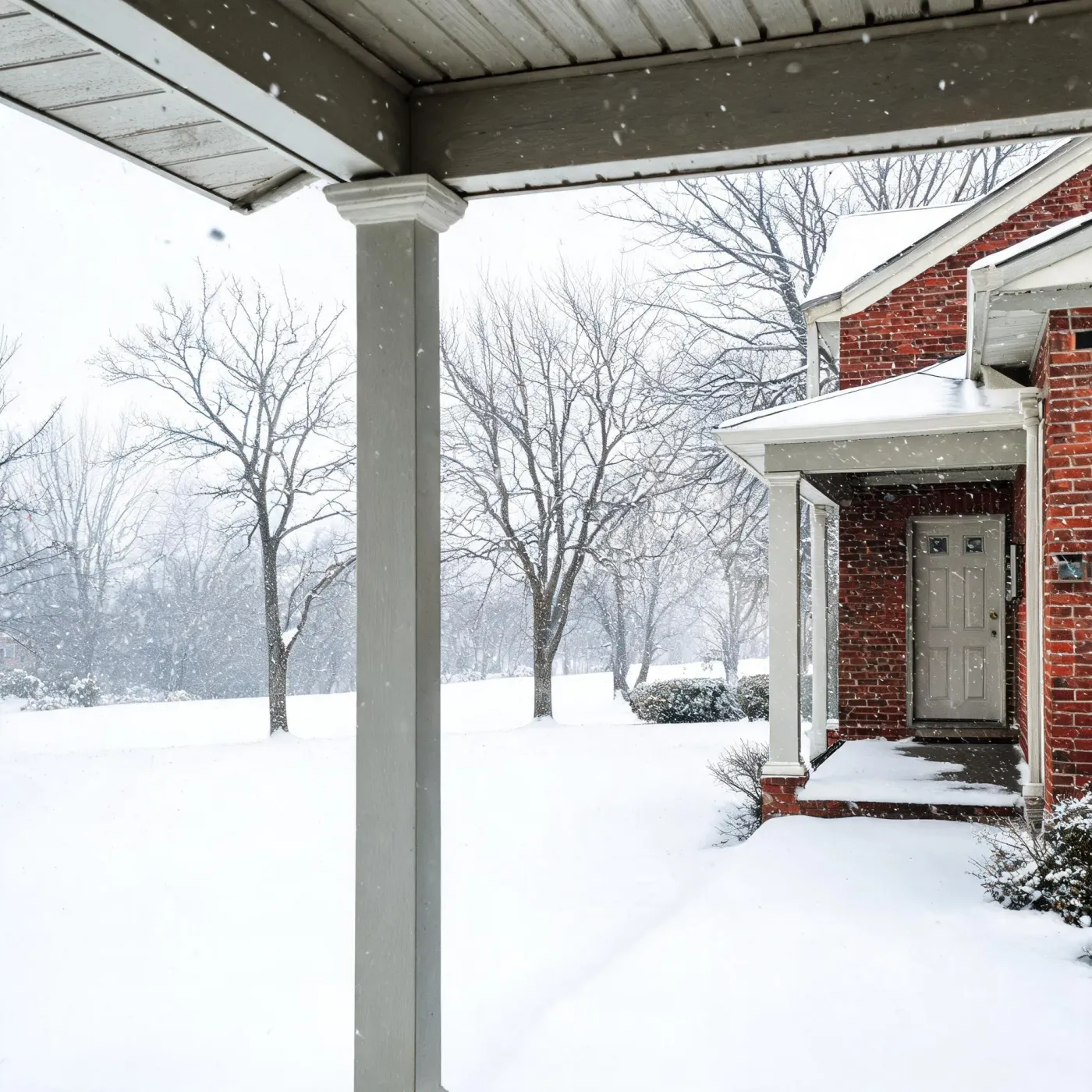
View from under a covered porch with a white column toward a red brick house entrance with a gray door, surrounded by deep snow, bare trees, and falling snowflakes.

Statewide, winter nights average 23°F, according to NOAA climate data. That's below freezing for most of the night, every night, from December into February. Your boiler isn't just topping off heat lost through a door left open. It's fighting a steady pull of cold through the walls and windows for hours on end, which means it fires more often and runs longer each time to hold the thermostat setting. A zone that's already struggling, a slow circulator, a little air in the line, has less room to hide that cold. You'll notice it first in the room farthest from the boiler, or the one with the most window glass, going cold well before the others.

NOAA nClimDiv 1991-2020 county normals weighted by homes

A smiling man with dark curly hair in a navy t-shirt sits on a gray couch indoors, with a large-leafed plant and a window in the background.
A bearded man in a plaid flannel shirt stands in a kitchen looking out a window toward snow-covered shrubs, with a steaming mug on the windowsill and potted plants on a shelf behind him.

Winter nights average 23°F statewide

At 23°F, the water in your baseboard loops has to stay hot for hours on end just to keep the house level. If a circulator is weak or a zone valve sticks halfway, that cold doesn't wait for a break in the weather to show up.

NOAA nClimDiv 1991-2020 county normals weighted by homes

A cold baseboard almost always comes down to the same handful of things: a stuck zone valve, a circulator that's quit, air trapped in the loop, or pressure that's drifted low. None of those clear up on their own, and in a Rhode Island winter a quiet baseboard means a colder house every hour it waits. The part that's actually hard isn't knowing this, it's finding someone licensed to come look at your boiler, free to take the call, and willing to drive out to fix one zone instead of selling you a new system. That's the part you can hand off. Send the form and you're done hunting through listings, done calling three places and waiting on callbacks, done explaining the same cold room to every voice that picks up. Someone qualified gets the details once, and from there it's their job to sort out whether it's the valve, the pump, or the air in the line. You've already done the hard part, which was figuring out what's wrong. The rest doesn't have to be yours too.

A dark wood cabinet with a paneled door and a ceramic pot of green foliage on top stands in a beige-walled room with white baseboard, a window at left, hardwood floor, and a patterned area rug.
A dark wood glass-front cabinet holding folded towels, woven baskets and a ceramic vase stands in a bathroom corner beside a window, with a potted fern and stacked towels on top and a freestanding tub partly visible at left.
A woven basket holding a green cushion and a cream fringed knit throw sits on a wood floor in a room corner beside a window and a dark wooden cabinet.
Corner of a room with a dark wood cabinet topped by a round vase, a linen curtain at a window, white baseboard, oak plank flooring with sunlight patches, and a woven jute rug in the foreground.
A dark wood sideboard against a pale wall holds a shallow stone bowl and a round ceramic vase with leafy branches, with sunlight from a curtained window falling across the wall, wood floor and woven rug.

Send one request and you're done looking

Explain the job once and skip repeating it on every call.

Send my request

Asking costs nothing, and the choice to hire stays yours.