Eight months of heat, most winters
Furnaces in Warwick run from October through May, and overnight lows average 23°F through December, January and February. That's a long stretch asking a lot of the same machine.
Takes about a minute. No obligation.
Furnaces in Warwick run from October through May, and overnight lows average 23°F through December, January and February. That's a long stretch asking a lot of the same machine.
Kent County saw 50 winter storms between 2015 and 2024, heavy snow and ice among them. A furnace sized right for this place gets through those stretches without straining.
NOAA nClimDiv, 1991–2020 normals
Half the homes in Kent County were built in 1967 or earlier.
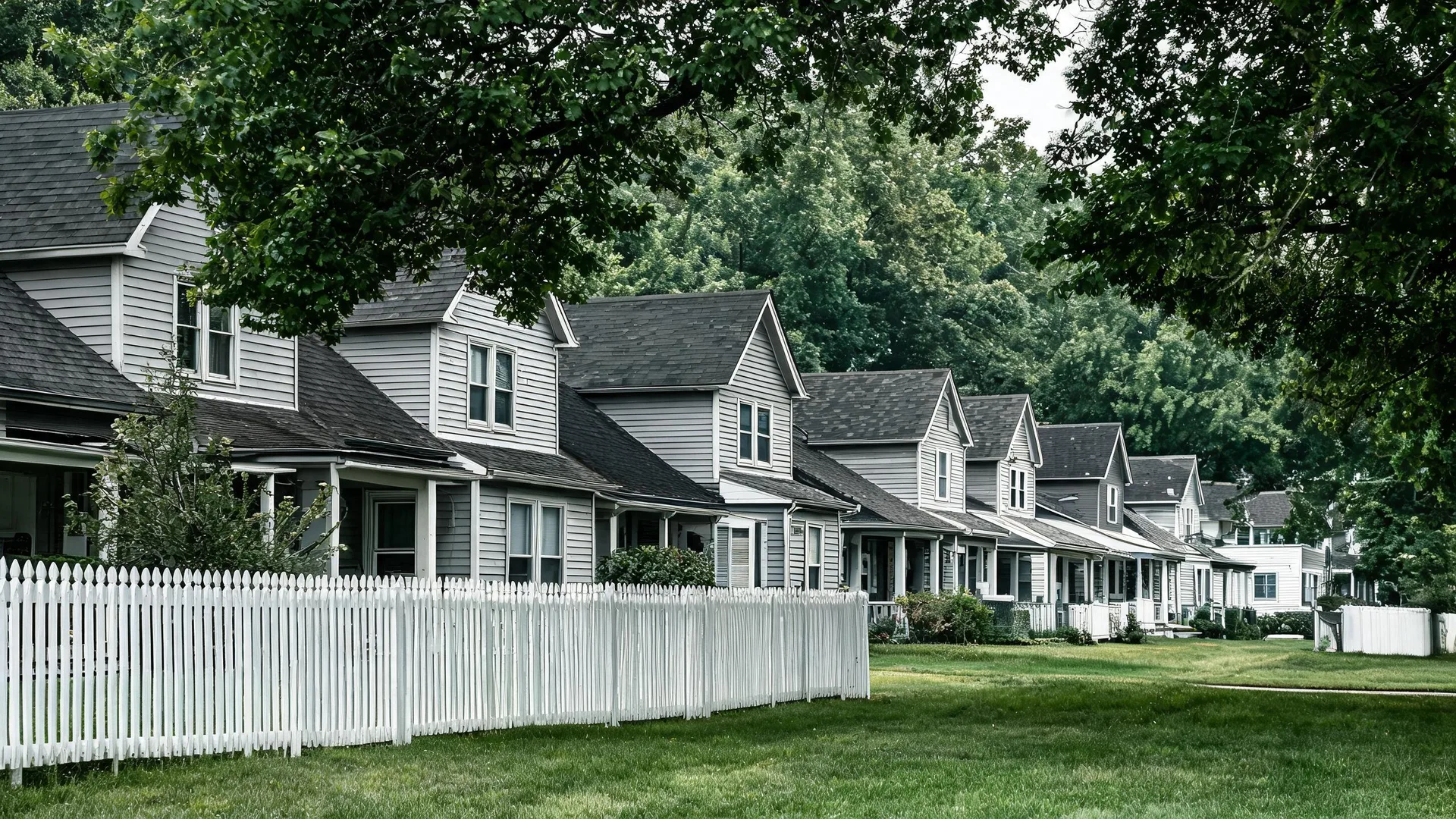
A furnace going into a house that old has to match the ducts and layout already there, not a generic spec sheet.




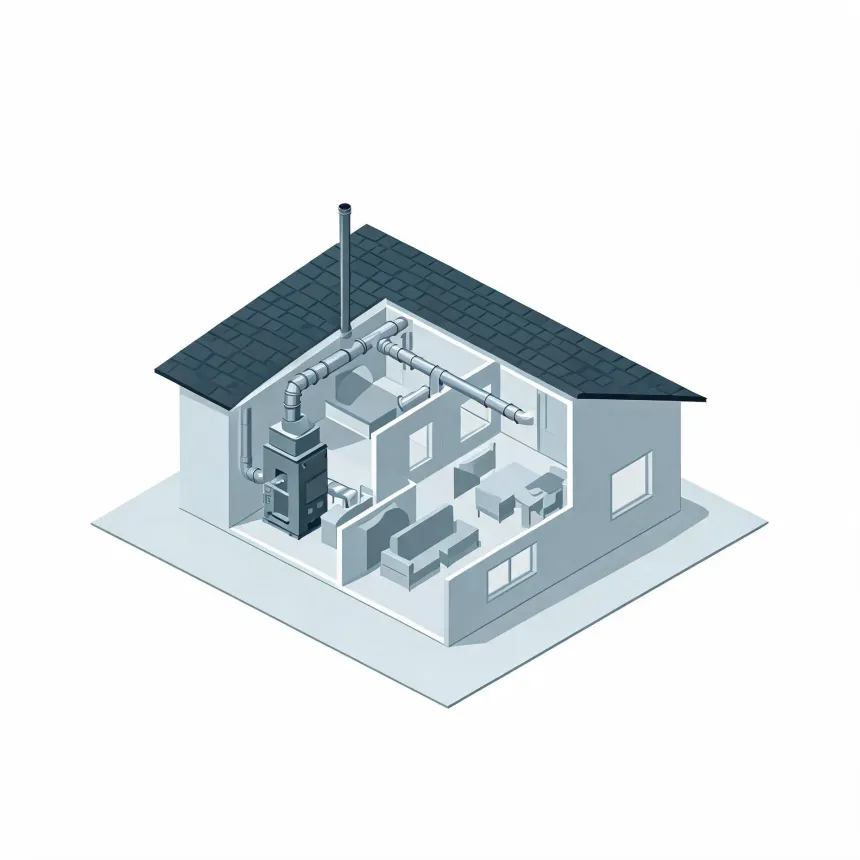
Gas heats just over half the homes in Kent County, the most common fuel by far, with fuel oil second at 31.1% and electric furnaces well behind that. If your house came with a gas furnace, replacing it with another gas furnace is usually the straightforward call. The gas line is already there, the venting is already sized for it, and a contractor working on it has done the same swap next door more than once. Switching fuel types on a replacement is possible, but it means new venting or new gas lines or an electrical upgrade, and that's a bigger job than most homeowners are looking for when a furnace just needs replacing.
Furnaces sold here have to hit at least 80 percent AFUE, the federal minimum for zone 5A. That floor jumps to 95 percent for units manufactured from December 2028 on, so what counts as a legal furnace is changing. A federal tax credit is available on qualifying high-efficiency equipment installed now. Get a quote to see what fits your house under today's rules.
Find a contractorA furnace that's sized right on paper still has to move air through the ducts already in your walls and floor. In a house from 1967 or earlier, those ducts were laid out for whatever furnace was in there originally. A contractor doing the install should check that layout before swapping in the new one, not after. That's a different step from picking the size of the unit, and skipping it is how a house ends up with a room that never gets warm.
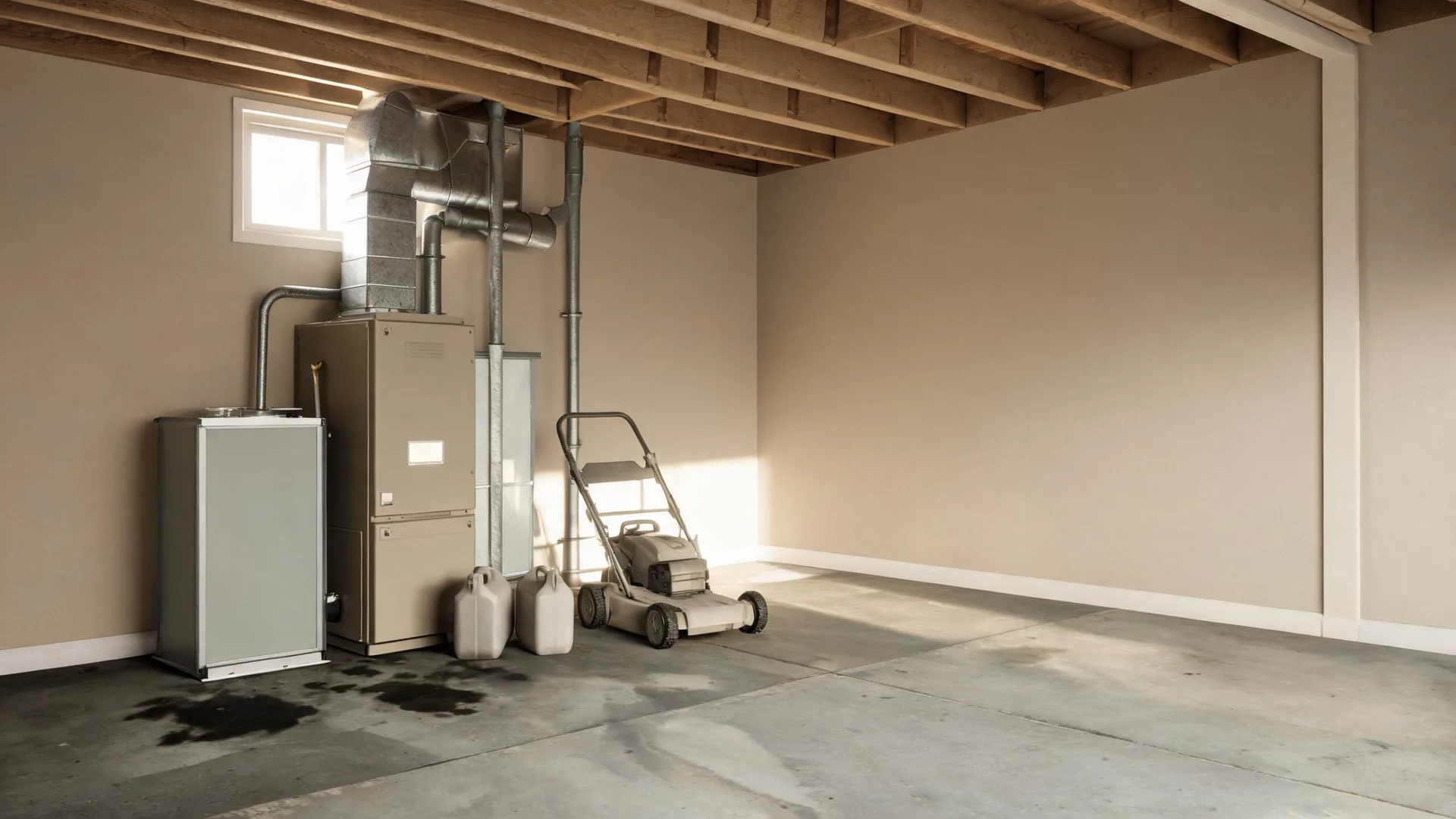
A furnace doesn't get left in place when it's replaced. It gets disconnected from the gas line, the venting, the ductwork and the electrical, then carried out whole or cut down to pieces that fit through the door. The gas line gets capped off safe before anyone touches the unit.
A furnace cabinet is mostly steel, and the heat exchanger and coils inside carry copper and aluminum. Scrap haulers take that kind of metal, which is why most contractors haul the old unit to a scrapyard instead of a dump. Ask what happens to yours before the new one goes in.
Estimates for a typical Kent County home, from EIA household energy data, Rhode Island fuel prices and NOAA climate normals. Your home will differ.
Installation day starts before the new furnace ever comes inside. The old one has to come out first, gas and power shut off, ductwork disconnected, the area cleared. Once that's done the work is mostly building, not swapping. New venting might go in even when the old venting looked fine, because the new furnace can call for a different setup than the one it's replacing. The gas line gets pressure tested after it's hooked up, not just connected and left. The ducts get sealed where they meet the new unit, since a gap there pulls heated air into a crawlspace or attic instead of the room it's meant for. Expect the crew to run the furnace through a full cycle before they leave, checking that it fires, ramps up, and shuts off the way it should, not just that it turns on.