





A row of white Colonial-style houses with glowing windows photographed at dusk along a road bordered by a stone wall.

Furnace Installation in Newport, RI

Tell us about the job

Takes about a minute. No obligation.

New system or replacementFurnace or heatingNewport County, RI
Step 1 of 2

What ZIP code is the job in?

Oil heats more homes in Newport County than anything else, at 43.6%. Gas comes next at 33%, and most of the rest run on electricity or propane. If your furnace already runs on oil, replacing it with another oil furnace keeps the tank, the lines and the venting you already have. Switching fuels means new venting at minimum, and possibly a new gas line or tank. A contractor can tell you what your current setup allows before you decide.

8 months
October through May, your furnace is on duty
26°F
the average winter night it heats against
80% AFUE
the federal minimum any new unit must meet
Isometric cutaway illustration of a single-story house showing interior rooms, furniture, a dark furnace unit with a tall vertical flue pipe, and ductwork running under the pitched shingle roof.
Your furnace works hardest from November through March.

NOAA nClimDiv, 1991–2020 normals

Half the homes in Newport County were built in 1963 or earlier.

A furnace going into a house that old has to work with the ductwork and venting already there, not the other way around.

A furnace sized for this climate is a furnace sized right, nothing more

Heat runs October through May
Winter nights average 26°F
Climate zone 5A

Newport County falls in climate zone 5A, a cool zone where the furnace does more of the year's work than the air conditioner. Any gas furnace installed here has to meet a federal minimum of 80 percent AFUE. That floor is set to rise. Furnaces built from December 2028 on will need to hit 95 percent AFUE, a jump that favors condensing models with different venting needs. A unit installed today under the current minimum is still a legal install, but it's worth asking a contractor where the standard is headed before you pick one.

A standard furnace, sized for this house, is the right call

This climate doesn't call for an oversized furnace or a high-end efficiency tier to get through the winter here. A correctly sized, standard-efficiency unit heats this house the way it's meant to. If you're already heating with oil, at $22.61 per million Btu in 2024, a straightforward replacement keeps your costs predictable and your installation simple.

Find a contractor
A gray residential gas furnace installed in an unfinished basement, surrounded by ductwork, a metal flue pipe, and a gas supply line.

Eight months on duty. Replace it before October asks anything of it.

Furnaces here run October through May, about eight months of the year. That leaves September and the months before it as the stretch when the old one isn't carrying the house yet. Replace it then and the old furnace finishes its last season instead of quitting partway through the next one. It also gives a contractor time to size and vent the new unit properly, instead of matching whatever's already in place just to get heat back on.

Sizing runs on heat loss, not square footage

A load calculation adds up how fast this particular house loses heat. The walls, the windows, the ceiling, how much outside air leaks in around them. Square footage alone doesn't capture any of that. Houses the same size can need different furnaces because one holds heat better than the other.
Oversized and undersized both cause problems

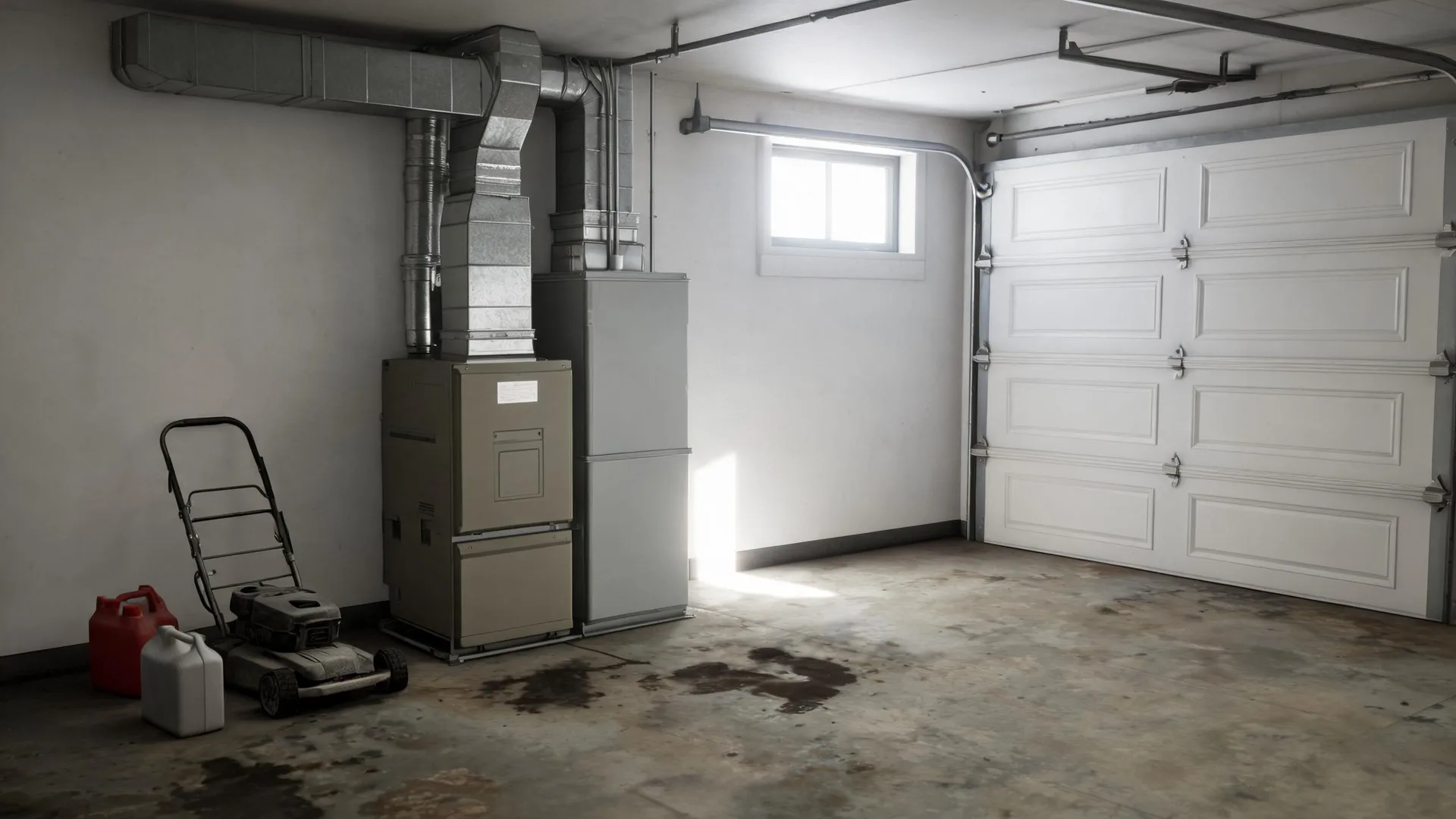
A furnace too big for the house heats the space fast, shuts off, then starts again soon after. That short cycling wears the igniter and blower motor faster and leaves some rooms warm while others lag. A furnace too small runs long stretches without catching up, and on the coldest days it won't keep the house at temperature at all.

The furnace itself is only part of what you're paying for. Sizing it right takes a load calculation, and getting the venting right takes matching pipe and flue to the unit's efficiency tier, both of which take a contractor's time before any equipment goes in. Ductwork plays into it too. If the existing ducts are undersized or leaky, a contractor may need to modify them, and that's labor separate from the furnace. The gas line or oil line matters as well. An install that reuses the lines already there costs less than one that needs new lines run. Electrical work can factor in if the new furnace's blower or controls need a different circuit than the old one. None of this is optional or padding. It's what makes the furnace actually heat the house the way it's supposed to.

The old furnace comes out first, along with whatever venting doesn't carry over to the new one. If the replacement is a different efficiency tier, that means new pipe before anything else goes in. The new unit gets set, connected to the gas or oil line, and wired in. Ductwork gets tied back in at the plenum, and any sections that need work happen here too. Once it's connected, a contractor runs it, checks the flame or burners, checks static pressure in the ducts, and confirms the venting is drawing the way it should. Carbon monoxide gets tested before the job is called done, not assumed safe because the unit is new. A furnace that's installed but never tested running is still an unfinished job.