

A row of illuminated white colonial houses along a road photographed at dusk.

Boiler Repair in Westerly, RI

Tell us about the job

Takes about a minute. No obligation.

RepairBoilerWashington County, RI
Step 1 of 2

What ZIP code is the job in?

Boilers in Westerly start running in October and stay on through May, about eight months of the year. September is the quiet month before that, when a boiler that sat idle since spring gets tested by the first real cold. A weak igniter or a failing pump often holds on through the off season and gives out in those first few weeks of use. If yours is acting up now, that timing is probably not a coincidence. Getting it looked at before the rest of the season settles in means a small repair now instead of a bigger one once you depend on it every day.

Westerly winters bring overnight lows around 24°F, with a few real storms mixed in.

A boiler that's otherwise sound has no trouble with that. Trouble this time of year is usually one of a handful of known problems.

A normal boiler problem, in a normal Westerly winterFuel oil here runs $22.61 per million Btu, and a boiler that's sized and maintained right still heats a Westerly home for that.

Washington County sees its share of rough weather, 166 severe weather events over the past decade, most of it wind and winter storms. None of that is hard on a boiler the way it might be on a window unit or an outdoor condenser. A boiler sits inside, away from wind and hail, and it doesn't care about a power flicker the way some systems do. Where a storm does matter is the outage that follows it. About 12% of Rhode Island households lost power for a full day or more in 2024, and a boiler without power won't fire no matter how sound it is. If yours quit during or right after a storm, check the power first. If the power's been fine and it's still not running, the cause is something inside the unit, not the weather.

Get it looked at early

Problems tend to show up in the first weeks of the season, when the load hits a part that was already weak.

Find a contractor

Most failures start with ignition or circulation

A boiler that won't fire usually has a bad igniter, a failed flame sensor, or a pressure switch stuck reading wrong. A boiler that fires but doesn't heat right usually has a pump that's seized or losing strength, or a zone valve that won't open. Both kinds of parts work constantly through the season and wear out quietly, giving no sign until the day they stop.
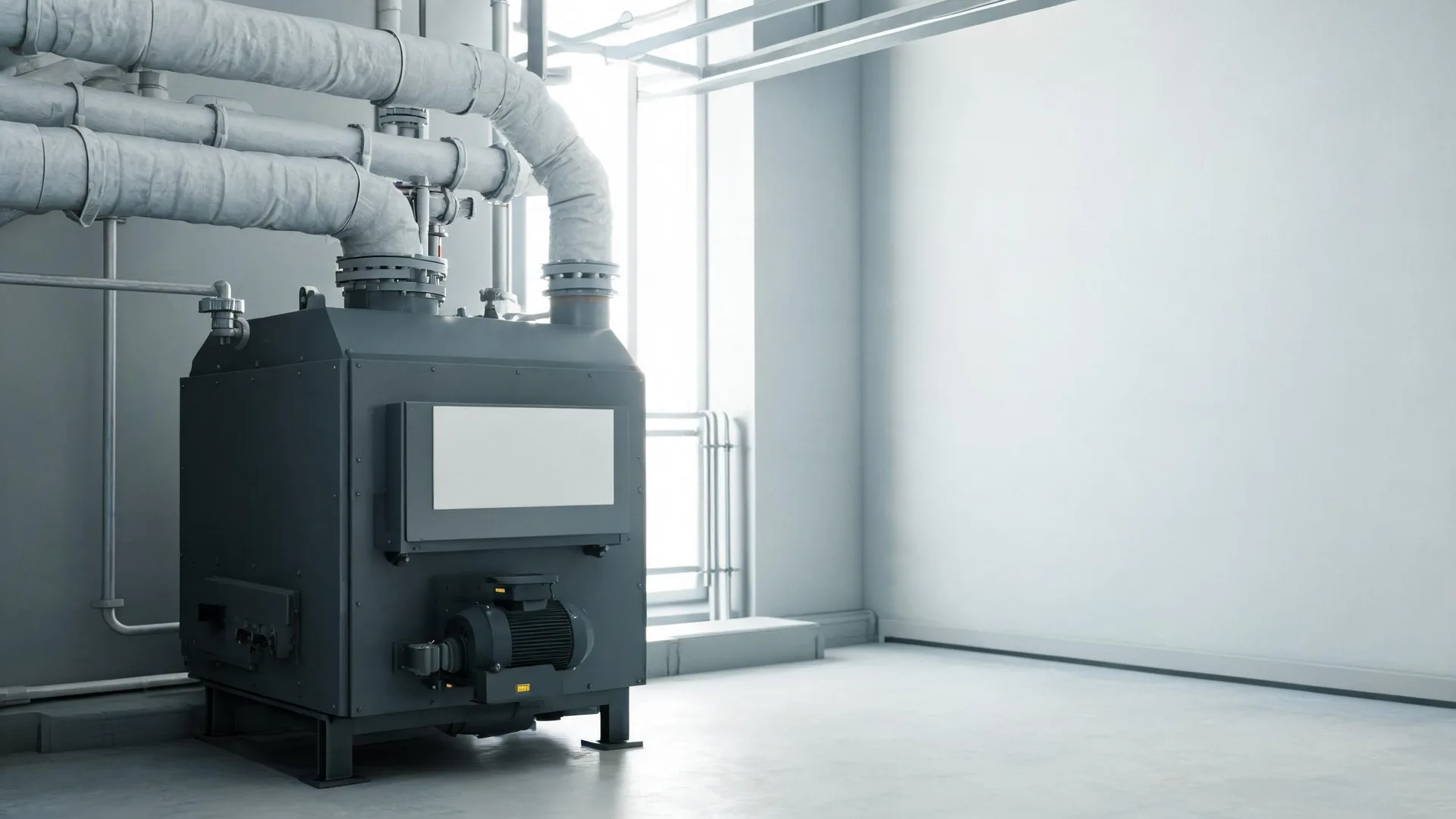
Low water and bad water do different damage

Low pressure from a slow leak lets the system run dry in spots, and that burns out a heat exchanger over time. Water that's never been treated or flushed leaves mineral scale on that same heat exchanger, and scale makes the burner work harder to push heat through it. One is about how much water is in the system. The other is about what's in the water. Either one wears down the same part.

A boiler usually tells you something is wrong before it quits outright. Listen for banging or gurgling in the pipes, that's often trapped air or mineral buildup forcing water through a tighter path than it should. A kettling sound, like a low rumble or whistle from the heat exchanger, means scale is building up and the burner is working harder than it should to push heat through it. Watch for uneven heat, some rooms warm and others cold, which points to a zone valve or a pump losing strength rather than anything wrong with the burner itself. Short cycling, where it fires and shuts off again and again, usually traces back to a pressure switch or a flame sensor that's stopped reading right. Water pooling near the base is never nothing. Even a small leak drops system pressure over time and lets the boiler run drier than it's built to.

A cracked heat exchanger is usually the one repair that costs as much as starting over. Everything else on a boiler, the pump, the igniter, the valves, is a normal wear part and worth fixing on its own. What matters more than any single repair is the pattern. One part failing is just that part failing. A different part going every year means the unit as a whole is wearing out, not just the piece in front of you. A tech who's opened it up can tell you which case you're in, because they're looking at the actual wear on the actual parts, not guessing from a symptom. If the quotes you're getting start to sound like a second boiler's worth of parts, that's the unit telling you something, not the tech.