Oil heat is the norm here
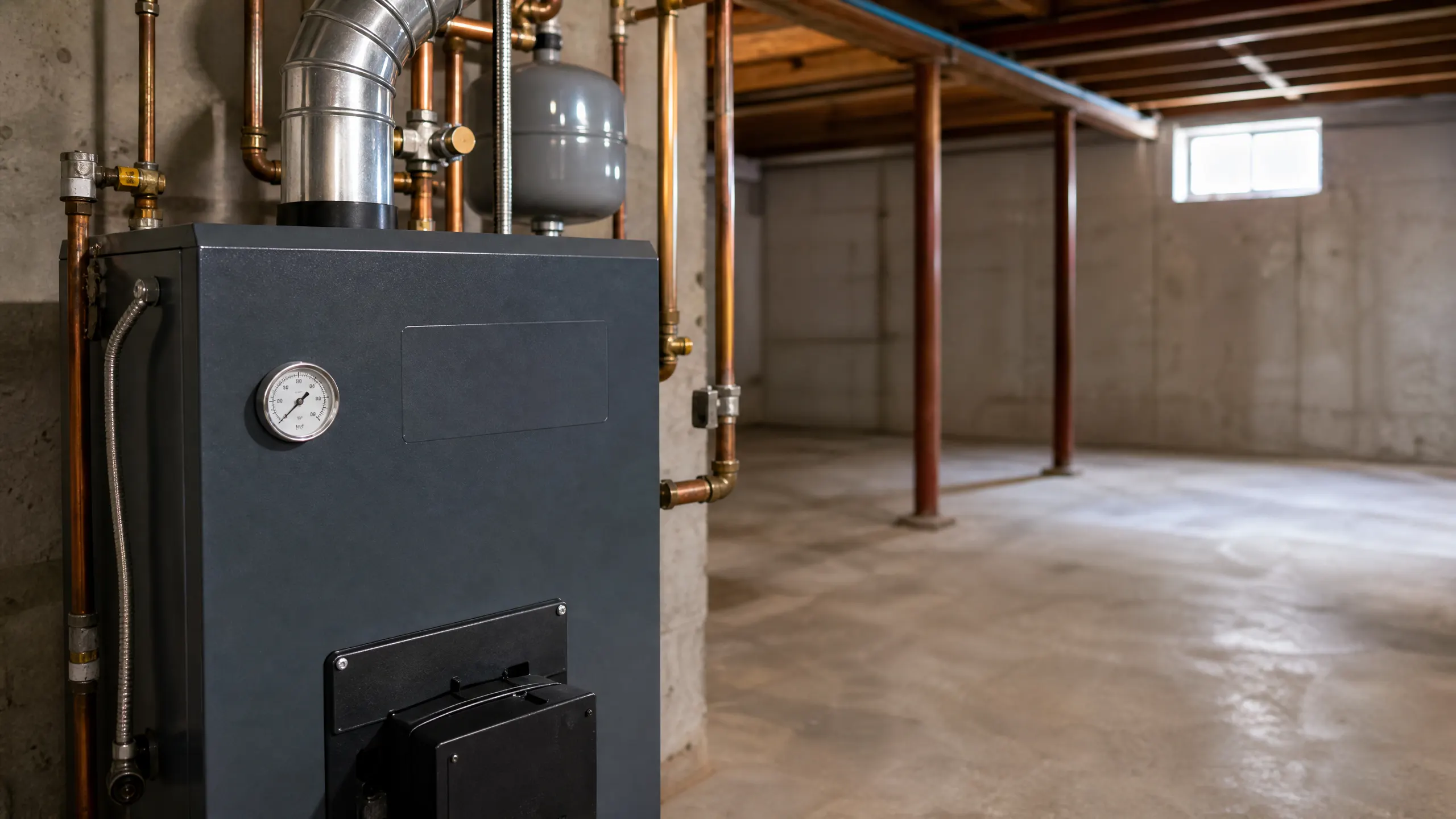
Fuel oil or kerosene heats 40.5% of homes in Washington County, more than gas or electric. A boiler replacement here is usually oil to oil, not a switch to a new fuel.
Takes about a minute. No obligation.
Fuel oil or kerosene heats 40.5% of homes in Washington County, more than gas or electric. A boiler replacement here is usually oil to oil, not a switch to a new fuel.
If your boiler already runs on oil, a contractor can size the new one to the house and the existing tank and lines instead of planning around a fuel conversion. That keeps the installation more predictable.
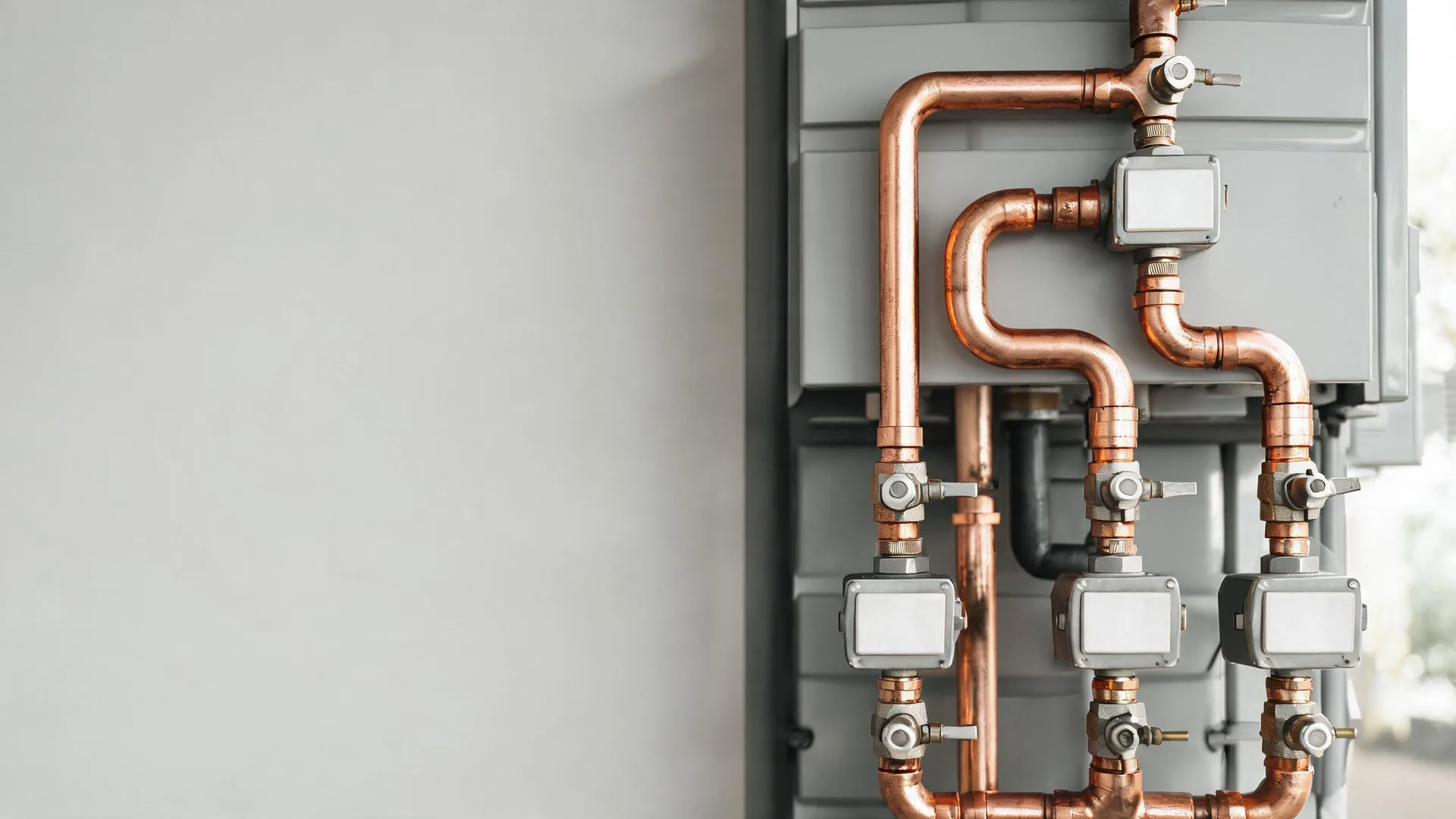
The boiler itself is one line item. Venting, piping and the near-boiler controls are where the labor goes.
A straight swap on the same fuel in the same spot costs less than a job that has to reroute a vent or relocate the unit.



Oil ran $22.61 per million Btu in Rhode Island last year. A boiler sized to the house, not padded up for cold snaps, is what keeps that number in check. Westerly doesn't get weather that calls for an oversized unit. A contractor sizing the replacement will look at your square footage, your insulation and how your old boiler performed, then match the new one to that. Going bigger doesn't heat the house faster, it just cycles more and costs more to run.
Heat here runs October through May, eight months out of the year. September is the last quiet month before the boiler has to work. Installing before then means a contractor can take the time to size it right and test it properly, instead of fitting the job in after the first cold night.
Find a contractorA new boiler has different port locations and clearances than the old one. Ask whether the existing piping, the circulator and the expansion tank get reused or replaced. Parts left over from the old setup can bottleneck a more efficient boiler and keep it from firing the way it's rated to.
A boiler should be sized off a room by room heat loss calculation, not just the size of the unit it's replacing. Ask which method the contractor uses and whether they're pulling in your insulation and window count or just matching the old boiler's rating. A boiler sized off a guess runs the same risk whether it guesses high or low.
The old boiler doesn't just get hauled off. Draining it and disconnecting the piping is part of the job, and if it's oil fired, the tank and lines feeding it need a look too, since a new boiler may not use them the same way. Whoever pulls the old unit should also check the flue. A smaller, more efficient boiler often means a smaller vent connector, and the old chimney or vent run may need to be resized to draw properly. Leaving a flue sized for the old boiler can cause venting problems even when the new unit itself is installed correctly.
Installation day starts with the old boiler coming out, not the new one going in. Expect the system drained, the piping disconnected, and the area cleared before anything new gets set. Setting the boiler itself doesn't take long. Most of the day goes into the near-boiler piping, the venting, and wiring the controls so the new unit fires and reads water temperature correctly. Once it's connected, a contractor purges air from the system and checks for leaks before it ever calls for heat. The last part is combustion testing, where the technician checks the burn and adjusts it so the boiler runs at the efficiency it's rated for. A boiler that looks installed but hasn't been tested this way can run, just not the way it's supposed to.