A row of white Colonial-style houses with glowing windows photographed at dusk along a road bordered by a stone wall.

Boiler Installation in Newport, RI

Tell us about the job

Takes about a minute. No obligation.

New system or replacementBoilerNewport County, RI
Step 1 of 2

What ZIP code is the job in?

Oil heat is the norm here

Fuel oil or kerosene heats 43.6% of homes in Newport County, more than any other fuel. Gas runs second at 33%. If your current boiler burns oil, an oil-fired replacement keeps the tank, the lines and the flue you already have.


What that means for the job

A straight swap, oil boiler for oil boiler, is usually the simplest install since nothing about the fuel supply has to change. Switching to gas means finding out first whether a gas line reaches the house at all.

Half the homes in Newport County were built in 1963 or earlier.

A boiler going into a house that old has to match the radiators and pipes already in it, not the other way around.

Eight months of heat and 26 degree nights, nothing a standard boiler can't handle

Heat runs October through May
Winter nights average 26°F
Climate zone 5A

Heat starts here in October and runs through May. That's most of the year on this boiler, which is exactly why September matters. Get the new one in before the first cold night and it's installed on your timeline, with time to size it right and match it to the radiators already in the house. Wait until the first cold snap and you're calling with no heat, taking whoever can come fastest and whatever unit they have on the truck.

The right size, installed right, is all this job calls for

A boiler sized to this house and vented the way the job calls for will run efficiently, no matter whose name is on it. Oil in Newport ran $22.61 per million Btu last year, and that cost comes from the fuel, not the equipment. There's no reason to pay more for a bigger or fancier unit than this house needs.

Find a contractor
A man in a dark cap, gray long-sleeve shirt and brown work pants climbs porch steps toward a navy front door, carrying a canvas tool tote with tools in its pockets, beside a potted evergreen shrub in a blue planter.

The boiler itself is one line item

A boiler comes in different sizes and different efficiency tiers, and the price moves with both. But the unit is only part of what gets installed. Piping, venting, controls, and labor to put it all together add up alongside it, and none of that shows up on the sticker price of the boiler alone.

What's already there decides the rest

A straight swap, same fuel, same venting, same radiators, is the cheapest kind of install because the contractor is reusing what works. Every piece that has to change, a new vent run, a new gas line, radiators that don't match the new boiler's output, adds work that a simple swap never needed. The house decides how much of that applies, not the homeowner's preference alone.

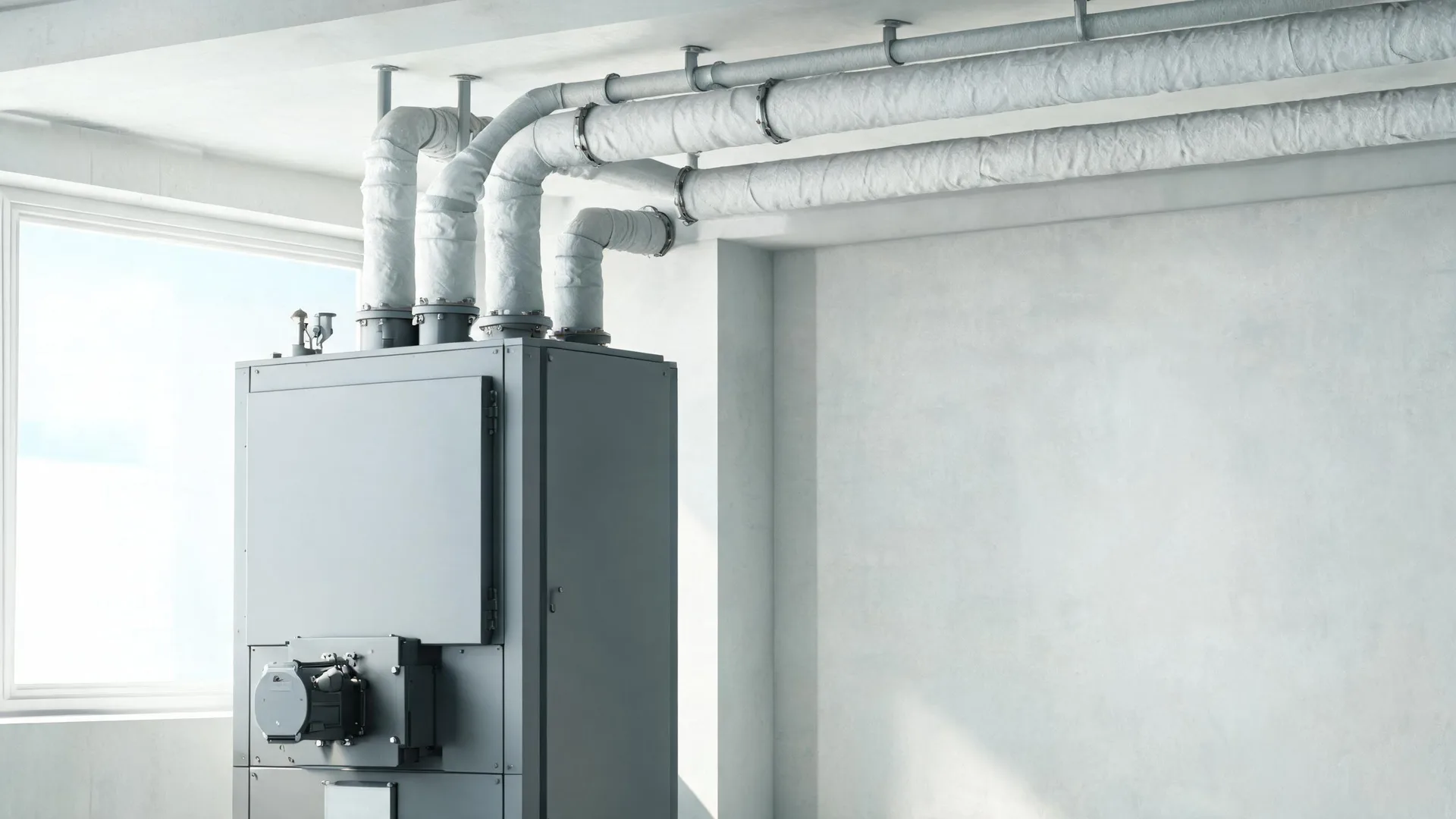
The efficiency rating on a boiler tells you how much of the fuel it burns turns into heat for the house, and how much goes out the flue. A boiler with a higher rating pulls more heat out of the same flame before letting the exhaust go. That number matters most on an oil-fired replacement, since the fuel cost is fixed and the only thing left to control is how much of it ends up as waste. A boiler running near the top of its rated efficiency does that by condensing more of the exhaust before it vents, which is also why the venting on a high-efficiency unit looks different from the old one. The rating on the label assumes the boiler is sized and installed correctly. Put an oversized unit in, or vent it wrong, and it won't run anywhere close to what the label promises, no matter how high that number is.

Installation day starts with the old boiler coming out, along with whatever venting and piping doesn't carry over to the new one. If the fuel or the vent type is changing, that's the part that takes longest, since new venting has to be run and tested before anything gets fired up. The new boiler gets set, leveled, and connected to the supply and return lines, then to the flue. Every joint gets pressure tested before the system is filled, because a leak found after startup means draining it back down to fix. Once it's filled and purged of air, the contractor fires it up, checks the burn, and sets the controls to match the house. Before they leave, the system should be running quietly and heating evenly, not just turning on.