




An unfinished basement interior featuring a large metal furnace unit, exposed ceiling joists, concrete walls, and scattered boxes and cables on the floor.

Furnace Installation in Providence, RI

Tell us about the job

Takes about a minute. No obligation.

New system or replacementFurnace or heatingProvidence County, RI
Step 1 of 2

What ZIP code is the job in?

Natural gas in Rhode Island ran $21.08 per million Btu in 2024, among the higher rates in the country. That number hits your bill every time the burner fires, all winter long. A furnace with a higher AFUE rating turns more of that gas into heat for your house instead of losing it out the flue. Over a Providence winter, that difference in efficiency is doing real work on what you pay. Worth asking what AFUE rating you're being quoted, and not just the price of the unit.

8 months
October through May, your furnace is on duty
22°F
the average winter night it heats against
61%
of homes here heat with gas, so most furnaces here burn gas
80% AFUE
the federal minimum any new unit must meet
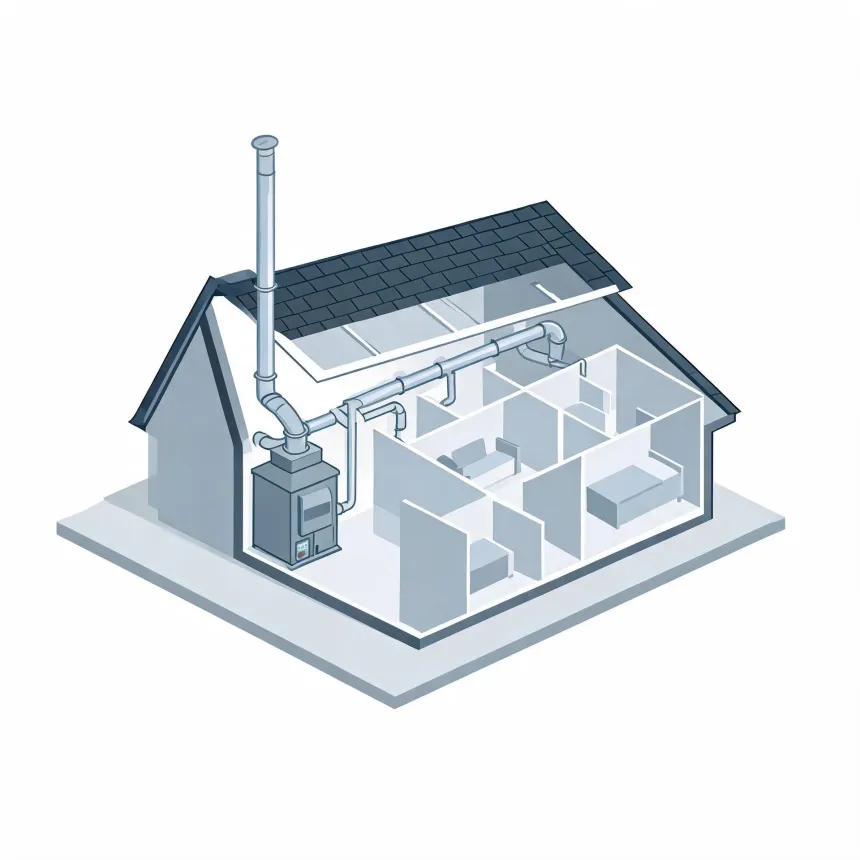
Isometric cutaway illustration of a house showing interior rooms with furniture, a furnace unit with a tall flue pipe outside, and ductwork running through the attic.
Your furnace works hardest from November through March.

NOAA nClimDiv, 1991–2020 normals

Half the homes in Providence County were built in 1956 or earlier.

A furnace going into a house that old has to match the ductwork and venting already there, not the other way around.

Most of Providence County heats with gas, and a new furnace should match that

60.9% of homes heat with gas
Heat runs October through May
Winter nights average 22°F

Your furnace doesn't need to be oversized or loaded with extras to handle Providence weather. A standard install, sized right for your house, holds up fine here. Winter storms hit this county 49 times in the last ten years, and the furnace itself isn't what fails in those. What matters more is whether the ductwork and venting already in your house match what's going in. A contractor sizing the unit to your house, not upselling capacity you don't need, is the one worth hiring.

A furnace that runs this many months needs to be sized right from the start

Heat runs eight months a year here, October through May, with overnight lows averaging 22°F in January. That's a long, cold stretch for one furnace to carry. Get the sizing right at installation and it'll hold up to what the season asks of it.

Find a contractor
A gas furnace with attached ductwork, gas piping, and condensate lines installed in a concrete-block basement.

Get it in before October, on your schedule

Heat runs here from October through May, eight months straight. September is what's left before that starts. Put the new furnace in then and the contractor has time to size it to your house and match it to the ductwork already there, no one rushing to beat the cold. Wait until the system that's failing actually fails, and you're choosing from whatever's available, on whatever day it quits.

Ask what size load calculation they ran

A furnace sized off square footage alone can end up wrong for your house. A proper load calculation looks at window area, insulation, ceiling height, and how the rooms are laid out. Ask the contractor to walk you through the numbers instead of just naming a unit size. A furnace too big for the house cycles on and off fast, wearing parts sooner and leaving some rooms colder than others.

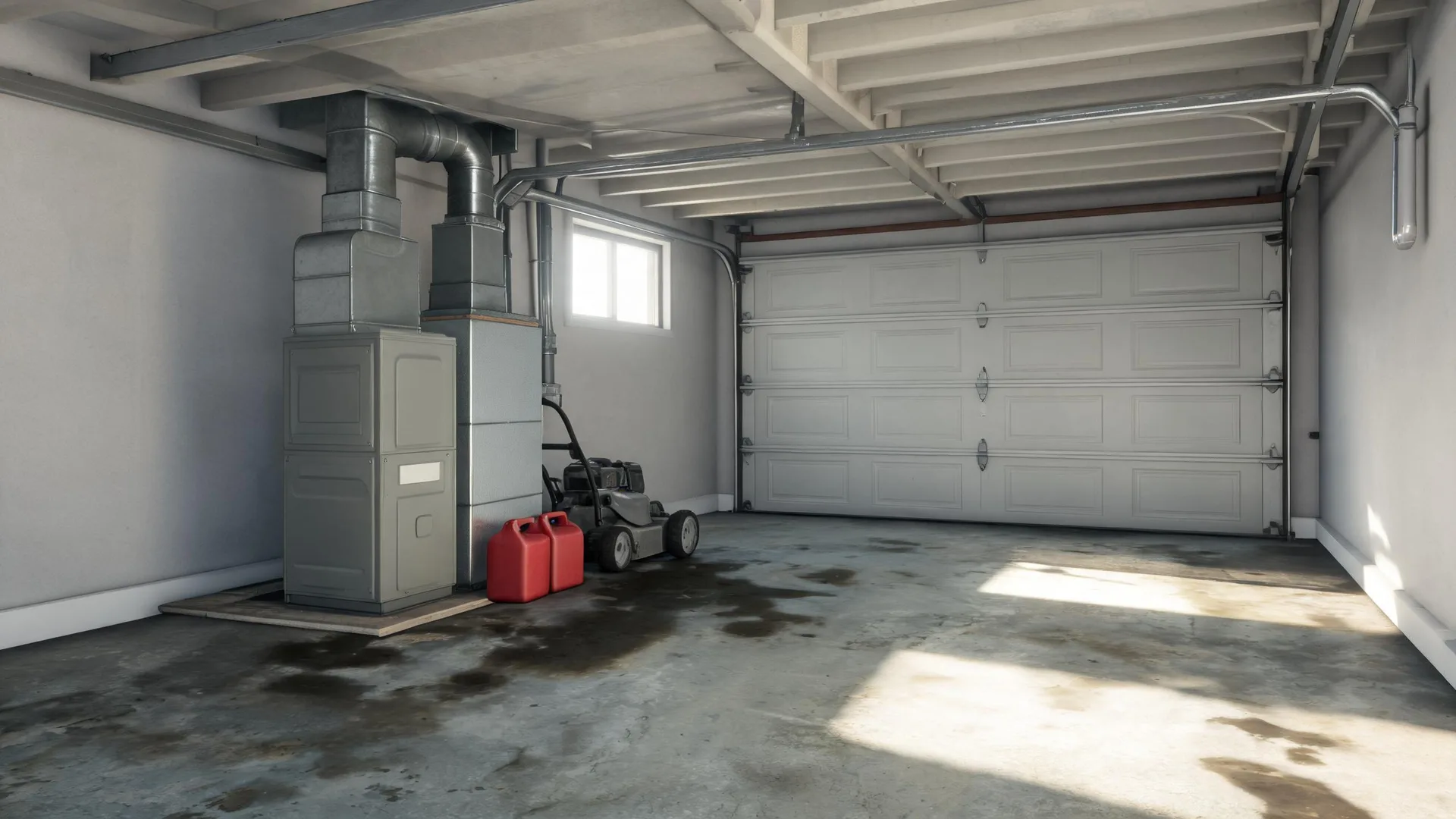
Ask how the new unit connects to your ductwork and vent

The furnace you're comparing has to work with the ducts and venting already running through your house, not a fresh system built around it. A higher efficiency furnace often vents differently than an older one, sometimes needing new pipe run to the outside instead of tying into an existing flue. Ask each contractor to look at what's already there before quoting, not after the unit shows up.

A gas furnace and sheet-metal air handler unit installed in an unfinished concrete basement.

A high-efficiency gas furnace would save about $240 a year to run in Providence County compared with a gas furnace.

  • A high-efficiency gas furnace$1,110 a year
  • A gas furnace$1,350 a year

Estimates for a typical Providence County home, from EIA household energy data, Rhode Island fuel prices and NOAA climate normals. Your home will differ.

Install day starts with the old furnace coming out, not the new one going in. The contractor disconnects the gas line, the venting, and the ductwork connections, then takes the old unit out before setting the new one in place. Once it's positioned, the real work is in the connections. Gas line, venting, ductwork, and the electrical for the blower and controls all get hooked up and tested on their own before the whole system runs together. After startup, the contractor checks the flame, checks for gas leaks, and confirms the furnace is pulling and pushing air the way it should through your existing ducts. A furnace that fires right on the first run still gets watched through a full heating cycle before anyone calls the job done.